%2Ffit-in%2F250x250%2Fguide_websites%2F58762%2Fimages%2F1768542512319hooknline_full_rgb.png&w=1920&q=100)
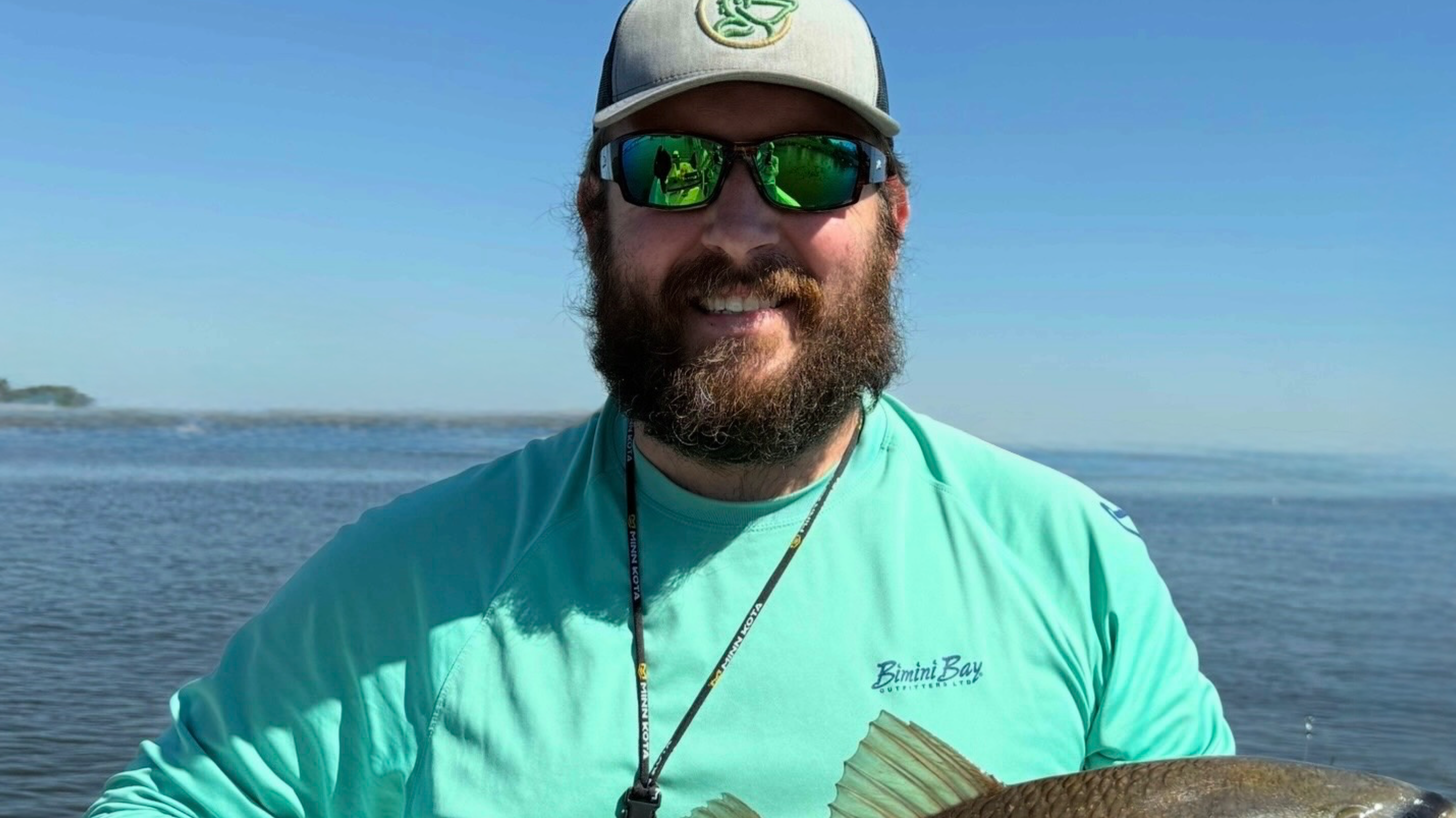
Black Drum and Flounder Catch in Biloxi, MS
Black Drum and Flounder Fishing in Biloxi - What to Expect
%2F%2Fusers%2Ff141b030-dc94-47a6-8f4e-d8c2394a68e2%2Fimages%2Fbiloxi-flounder-black-drum-catch-10819.png&w=1920&q=75)
Fishing Adventures by Captain Nathan Ball in May
- Biloxi MS Family Fishing & Island Charters



Summary
Join Captain Nathan Ball for a 6-hour guided fishing adventure targeting Black Drum, California Flounder, and other inshore species in Biloxi's productive coastal waters. This extended half-day trip departs Wednesday, May at 7:00 AM, offering small-group personalized fishing experiences with professional tackle and local expertise.
Inshore Fishing with Captain Nathan Ball - Rates & Booking
Captain Nathan Ball of Hook N Line Fishing Charters LLC on Wednesday, May offers an extended half-day inshore fishing adventure specifically designed to maximize your time on Biloxi's most productive waters. This 6-hour trip departs at 7:00 AM from Biloxi Small Craft Harbor, accommodating up to 4 guests for a private, personalized experience tailored to your skill level.
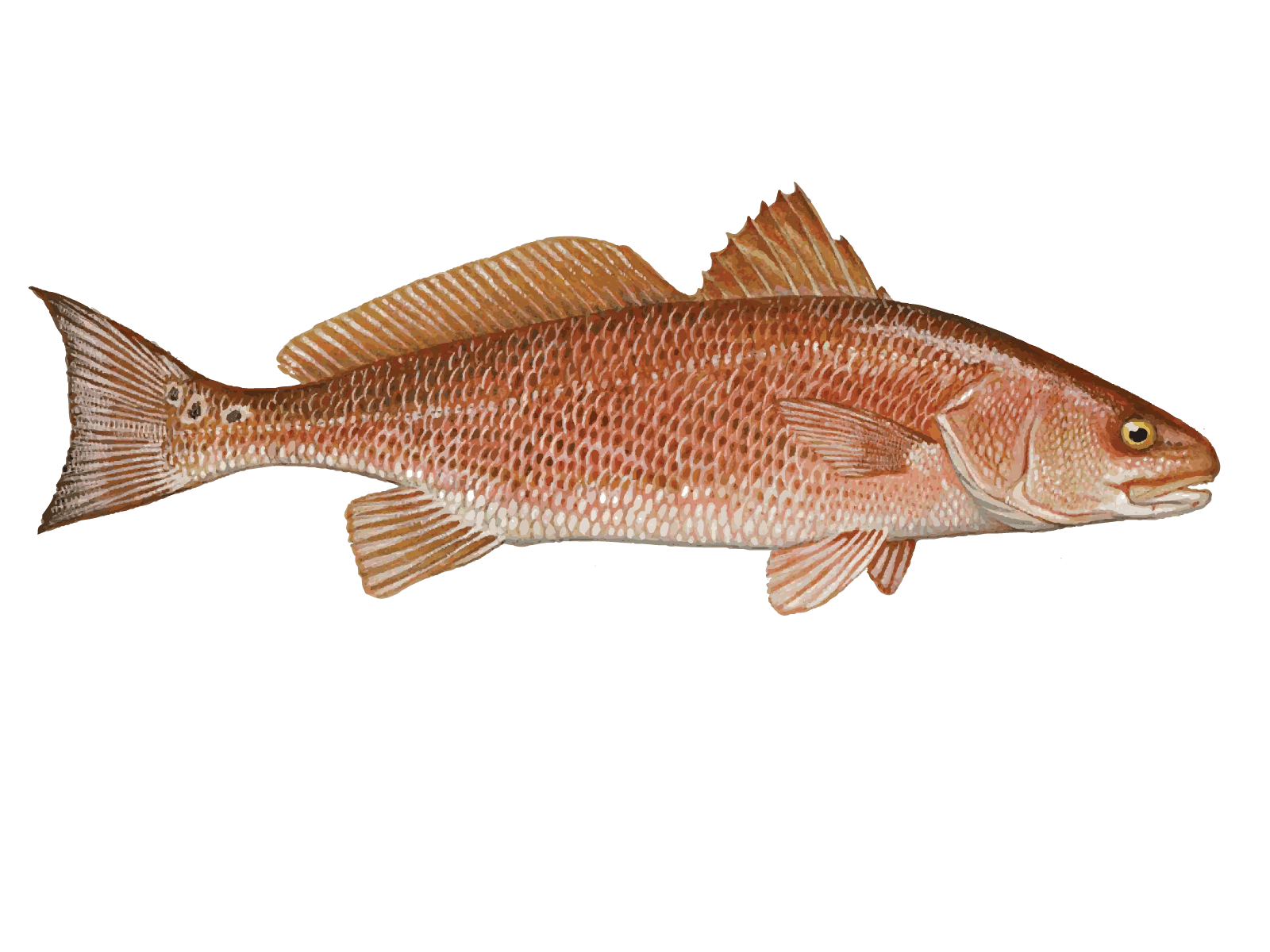
Your package includes access to quality tackle and professional guidance targeting species like Redfish, Black Drum, Sea Trout, Sheepshead, and Summer Flounder. The extended duration provides flexibility to explore multiple productive spots and adapt to daily conditions. Captain Nathan brings decades of local knowledge about where these species congregate seasonally. All fishing is catch-and-release friendly, though you're welcome to keep your harvest for the day. Book your morning run today to secure your spot on the Madelyn Kaye.
Highlights of 6-hour Guided Fishing Adventure with Captain Nathan Ball
This extended half-day format gives anglers the advantage of covering significant water without rushing between spots. You'll spend real time learning how Black Drum and Flounder behave in different seasonal conditions, how they relate to structure like oyster bars and grass beds, and what presentations work best for each species. The small 4-guest capacity means everyone gets dedicated attention and plenty of casting room without crowded tackle situations.
Biloxi's shallow bays and flats host some of the Gulf Coast's most consistent action for inshore species. The extended 6-hour window allows Captain Nathan to read conditions, adjust tactics, and position you where fish are actively feeding. Whether you're a beginner learning fundamentals or an experienced angler refining your technique, the trip structure accommodates varied skill levels with professional instruction throughout the day.
Local Species Insights: Black Drum and California Flounder
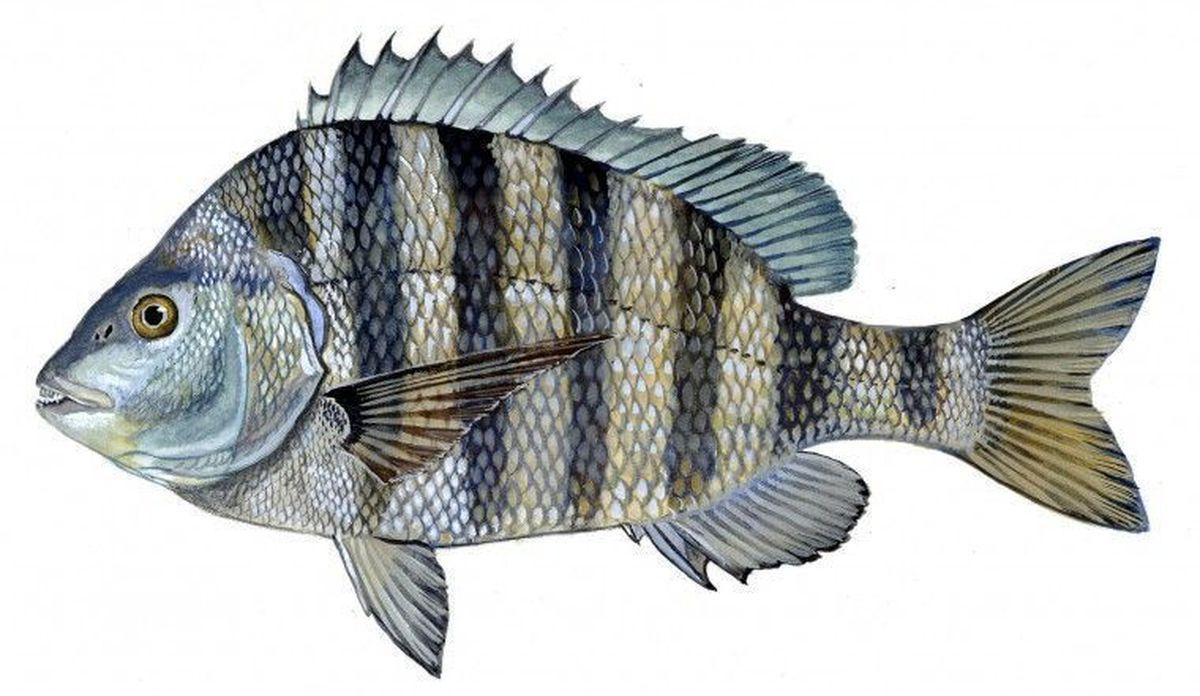
Black Drum are powerful, bottom-hugging fish that patrol Mississippi's shallow estuaries year-round. These bronze-backed brutes are structure hunters, relating closely to oyster bars, shell beds, and dock pilings where they use their specialized pharyngeal teeth to crush hard-shelled prey like clams and oysters. They're known for their distinctive grunting sound and their willingness to hit prepared baits and soft plastics. Black Drum average 3-8 pounds in these waters, though larger specimens are common, making them excellent fighters that test your gear and skill.
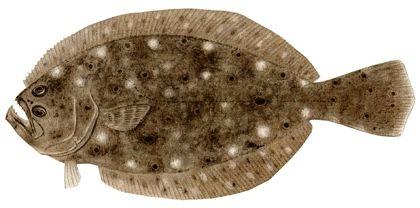
California Flounder, also called Summer Flounder or Fluke, are ambush predators that bury in sandy bottoms waiting for prey to pass overhead. They're visual hunters with both eyes positioned on their upper side, allowing them to spot movement while camouflaged. These fish respond well to live baitfish and realistic soft plastics worked across shallow flats. Flounder in Biloxi waters run 1-4 pounds typically, delivering consistent action and delicious table fare. Their seasonal migration through the Sound peaks during warmer months, making them prime targets from spring through early fall.
Both species thrive in the productive bays surrounding Biloxi where freshwater input from Mississippi rivers creates rich feeding grounds. The mixture of sandy flats, grass beds, and structured areas provides ideal habitat for these inshore specialists. Captain Nathan's 6-hour timeline allows proper coverage of the zones where Black Drum and Flounder congregate, increasing your odds of connecting with multiple species during the same trip.
Plan Your Fishing Day
The Madelyn Kaye departs Biloxi Small Craft Harbor at 7:00 AM, giving your group a full 6-hour window to explore the Sound's best-producing areas. You'll work shallow bays and flats designed for comfortable casting and active fish contact. The boat's layout provides each of the 4 guests with adequate space to cast freely, move between positions, and fight fish without interference. Captain Nathan manages tackle, positioning, and fish-finding while you focus on casting and enjoying the experience.
Bring sun protection, comfortable casting shoes, and hydration for the full day. The boat includes all necessary tackle and gear for inshore species targeting. Expect hands-on instruction covering casting technique, species-specific presentation, and local seasonal patterns. Whether conditions favor fast action or require patience and precision, the extended duration accommodates natural fishing rhythms without pressure.
Fishing in Biloxi, MS: California Flounder and Black Drum

California Flounder Overview
Welcome to the world of the California Flounder (Paralichthys californicus), a fascinating member of the Paralichthyidae family within the order Pleuronectiformes. This unusual flatfish is one of Southern California's most intriguing bottom dwellers, known for its distinctive small head, formidable teeth, and remarkable ability to vanish into the sandy seafloor. What makes the California Flounder particularly special is that it breaks the mold of typical flatfish behavior—roughly half the population is right-eyed rather than left-eyed, making it genuinely atypical among its cousins. Whether you're an angler exploring the waters off Southern California or a curious seafood enthusiast, this species offers both challenge and culinary reward.
California Flounder Habitat and Distribution
The California Flounder thrives along the Pacific coast, ranging from Magdalena Bay in Baja California, Mexico, all the way north to the Quillayute River in British Columbia. You'll also find populations in the upper Gulf of California. The heart of their activity, however, centers around Southern California and the San Francisco Bay area, where they prefer sandy and muddy sediments on the ocean floor. These fish are demersal by nature, meaning they spend most of their adult lives hugging the bottom in inshore and nearshore waters, typically found between 100 and 330 feet of water. They congregate in bays and estuaries for spawning and juveniles settle in nurseries before eventually migrating toward the open coast as they mature. Some adventurous individuals venture near the surf zone, but most remain content in deeper, calmer waters.
California Flounder Size and Weight
California Flounder typically range from 54 to 60 inches in length, with weights generally between 6 and 30 pounds. However, specimens have been documented reaching at least 60 inches and weighing up to 72 pounds—truly impressive catches for dedicated anglers. These fish can live remarkably long lives, with some individuals reaching 30 years of age. Their oval-shaped body is noticeably more compact than the Pacific Halibut, which they're often mistaken for, and their dorsal and anal fins sport a more curved appearance compared to the more angular fins of their larger cousins. The eyed side typically displays greenish-brown or greyish coloring speckled with patterns, while the blind side is pale white or cream colored.
California Flounder Diet and Behavior
Though the California Flounder spends most of its time resting motionless on the seafloor, it's far from a passive feeder. When hunger calls, this fish becomes an active predator, using its exceptional camouflage and sharp teeth to ambush unsuspecting prey. It readily chases down meals, sometimes rising toward the surface in pursuit of food—behavior that occasionally brings it to the attention of observant anglers. The diet consists primarily of squids, sardines, and anchovies, though it will take other small fish species. Their sharp teeth and powerful bite are nothing to trifle with; anglers are strongly advised to handle these fish with care and respect. The California Flounder's color-changing abilities are genuinely impressive, allowing it to match the exact shade of the surrounding seafloor within minutes, making it nearly invisible to both prey and predators alike.
California Flounder Spawning and Seasonal Activity
The California Flounder exhibits interesting lifecycle patterns that influence angling success. Juveniles begin life as pelagic swimmers with eyes on both sides of their heads. As they mature over their first year, their eyes migrate to one side, and they begin their descent toward the bottom. Males typically reach maturity around 2 to 3 years and make their way toward the open coast, while females grow significantly larger before undertaking their coastal migration. Late spring marks the spawning period, making this season particularly productive for anglers targeting California Flounder. While the species isn't highly migratory, these seasonal movements create predictable hotspots and windows of opportunity that experienced anglers know well. Year-round availability means you can pursue this species almost any time, but timing your effort around the spawn dramatically increases your odds of success.
California Flounder Techniques for Observation and Capture
Flounder Gigging: One of the most effective and exciting methods for targeting California Flounder is night-time gigging from shallow-draft flats boats. Anglers deploy LED lights aimed at the bottom, which prevents the flounder from changing colors and blending into the seafloor. This technique makes the fish highly visible and vulnerable. Using a gig with multiple prongs, you strike quickly once a target is spotted. This method is especially popular in bays and shallow nearshore areas and requires stealth, patience, and good lighting equipment.
Drift Fishing with Light Tackle: For a more traditional approach, drift fishing over sandy bottoms with light tackle yields excellent results. Cast live bait—bull minnows, live squid, sardines, Pacific mackerel, mullet, pinfish, spots, croakers, or shrimp—and allow your line to drift with the current. A trap hook setup is recommended because California Flounder often mouth bait rather than fully committing to strikes. If you hook one, expect a determined but not particularly acrobatic fight. Around Southern California's coastal bays and near-shore drop-offs, this technique produces consistent catches from spring through early fall.
Artificial Lures: While live bait outperforms artificials significantly, bouncing small plastic grubs on jig heads along the bottom can produce moderate success for anglers willing to cover water. This technique works best during active feeding periods and requires patience and a sensitive touch to detect strikes.
California Flounder Culinary and Utilization Notes
The California Flounder earns top marks at the dinner table. When served raw, it boasts a clean, buttery flavor and tender texture that sushi enthusiasts appreciate. For cooked preparations, the flesh is remarkably forgiving, readily absorbing complementary flavors from sauces, herbs, and cooking methods. The key to success is a light hand—overcooking toughens the meat quickly, so brief cooking methods like pan-searing, poaching, or light baking work best. A single serving of California Flounder provides approximately 30 percent of an adult's recommended daily protein intake and delivers excellent sources of omega-3 fatty acids, vitamins B-6 and B-12, and potassium. The skin shrinks only moderately during cooking, making it ideal for filleting and pan-frying without distortion. For health-conscious diners and culinary adventurers alike, this species represents a sustainable, nutritious, and delicious choice.
California Flounder Frequently Asked Questions
Q: What is the best bait for catching California Flounder?
A: Live bait significantly outperforms artificial lures for this species. Bull minnows, live squid, sardines, Pacific mackerel, mullet, pinfish, spots, croakers, and shrimp are all effective. Use a trap hook setup to maximize hooking opportunities, as California Flounder often mouth bait before fully committing to a strike.
Q: Where can I find California Flounder near Southern California?
A: The best populations occur in bays and estuaries from San Francisco southward along the California coast. Look for sandy or muddy bottoms in depths of 100 to 330 feet. Specific hotspots include San Diego Bay, Huntington Harbor, Newport Harbor, and various nearshore areas along the Orange County and Los Angeles coasts.
Q: Is California Flounder good to eat?
A: Absolutely! California Flounder is considered excellent for the table. It features buttery, clean-tasting flesh that readily absorbs flavors. Cook it quickly with a light touch to preserve tenderness, and you'll enjoy a highly nutritious meal rich in protein, omega-3s, and B vitamins.
Q: When is the best time to catch California Flounder?
A: While available year-round, late spring during the spawning season offers the most productive fishing. Summer and early fall also provide excellent opportunities. Night-time gigging is effective year-round, particularly in shallow bays.
Q: How do I handle California Flounder safely?
A: Exercise extreme caution with the sharp teeth—these fish can bite hard and cause injury. Use a wet glove or cloth to grip them, avoid placing fingers near the mouth, and consider using a fish gripper designed for flatfish.
Q: Are California Flounder and Pacific Halibut the same fish?
A: No. California Flounder is smaller with a more oval body and more curved fins compared to the Pacific Halibut's larger, more angular frame. Additionally, roughly half of California Flounder populations are right-eyed, which is atypical for flatfish—a trait that distinguishes them from Pacific Halibut.
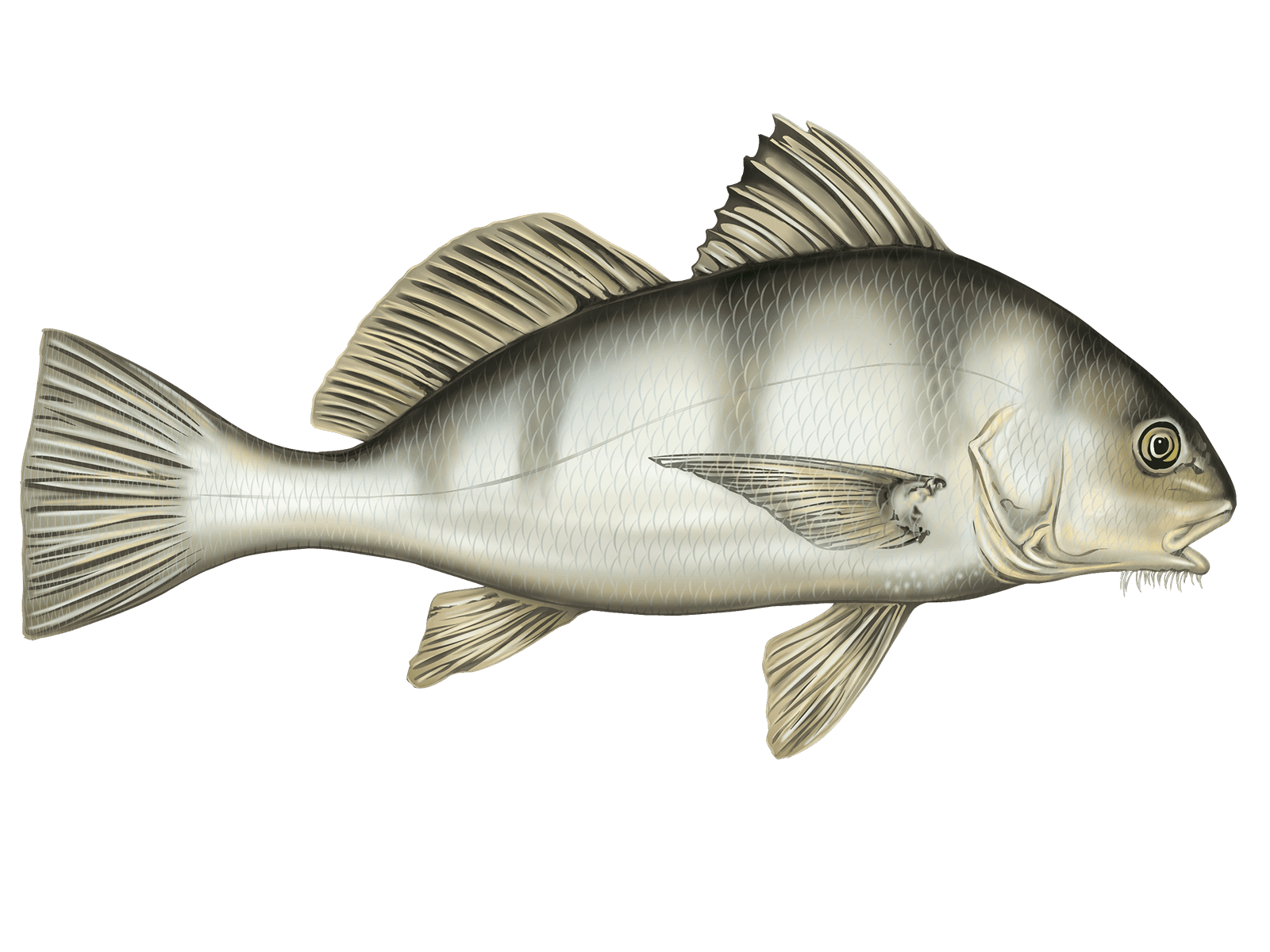
The Black Drum (Pogonias cromis) stands as the giant of the Sciaenidae family, earning its reputation through both impressive size and distinctive acoustic abilities. These remarkable fish get their name from the drumming or croaking sounds they produce, which can reach frequencies of 100 to 500 Hz during spawning season. With their powerful jaws designed for crushing shellfish and oysters, these dark-colored bruisers represent one of the most sought-after inshore game fish along the Atlantic and Gulf coasts, offering anglers both challenging fights and rewarding table fare when properly sized.
Black Drum Overview
What makes these fish truly special is their incredible adaptability and longevity. They're bottom-dwellers that can live up to 50 years, growing rapidly in their first two years and reaching sexual maturity quickly. Their robust build and crushing power make them formidable opponents for anglers, while their preference for brackish waters and estuaries puts them within reach of shore-based fishermen. The drumming sounds they make aren't just for show - they're sophisticated mating calls that help these fish locate each other during spawning aggregations, creating some of the most exciting fishing opportunities of the year.
Black Drum Habitat and Distribution
These adaptable fish have claimed territory from Nova Scotia all the way down to the Gulf of Mexico, thriving in a variety of environments. Adults prefer the saltier waters near ocean inlets and around oyster beds, where their favorite foods are abundant. Juveniles, on the other hand, seek out the less saline areas of estuaries with sandy bottoms, providing natural nursery areas. What's remarkable about these fish is their tolerance for different conditions - you might find them in extremely shallow water one day and at depths of 100 feet the next. They're particularly drawn to muddy flats, pier pilings, and creek mouths where tidal action concentrates their prey.
Black Drum Size and Weight
Size-wise, these fish offer something for everyone, typically ranging from 5 to 30 pounds, though true giants can exceed 90 pounds. The smaller specimens in the 15-pound range are considered prime table fare, while the larger fish are better suited for catch-and-release due to their tougher meat texture and stronger flavor. It's not uncommon to encounter fish in the 20 to 40-pound range during peak season, and these middle-weight bruisers provide excellent sport while still offering decent eating quality for those who know how to prepare them properly.
Black Drum Diet and Behavior
As dedicated bottom-feeders, these fish have developed powerful crushing jaws perfectly suited for their shellfish-heavy diet. Crabs, mussels, clams, and oysters make up the bulk of their meals, though they'll also take marine worms and small fish when the opportunity arises. Their feeding behavior is methodical and deliberate - they use their sensitive barbels to locate prey buried in sand and mud, then employ their impressive jaw strength to crush through shells. During feeding frenzies, particularly around oyster beds, you can sometimes hear the actual crunching sounds they make while feeding, which often gives away their location to observant anglers.
Black Drum Spawning and Seasonal Activity
Spawning season brings out the most exciting behavior in these fish, as they gather in large schools and become much more predictable in their movements. In southern regions like Texas, this typically occurs from February through March, while northern areas see peak activity from April to June. During this time, females can lay eggs every three days, and the males produce their characteristic drumming sounds almost continuously. These spawning aggregations create prime fishing opportunities, as the normally scattered fish concentrate in specific areas and become more aggressive in their feeding. The sound of dozens of drums calling simultaneously creates an underwater symphony that experienced anglers learn to recognize and locate.
Black Drum Techniques for Observation and Capture
Success with these fish comes down to three key factors: location, bait selection, and patience. Live or fresh bait works best - soft-shell crabs, peeler crabs, and fresh clam are top choices, though many anglers swear by blue crab because it doesn't attract as many bait-stealing catfish. Fish your baits right on the bottom using enough weight to hold position in current, and be prepared for a slow, deliberate bite that can easily be mistaken for a snag. For artificial presentations, slow-moving bucktail jigs work well, especially when tipped with natural bait. Fly fishing enthusiasts should opt for 9-weight rods and bottom-bouncing patterns like Clouser Minnows or crab imitations. Around popular fishing areas, look for shallow flats adjacent to deeper water, especially during moving tides when these fish become more active.
Black Drum Culinary and Utilization Notes
When it comes to table fare, size matters significantly with these fish. Specimens under 15 pounds offer mild, flaky white meat that's excellent when prepared fresh, while larger fish develop a coarser texture and stronger flavor that some compare to chicken. The key to good eating is proper handling and quick processing - these fish benefit from bleeding immediately after capture and keeping on ice. Smaller drums work wonderfully in fish tacos, blackened preparations, or simple pan-frying, while larger fish are better suited for stews or heavily seasoned dishes that can mask their stronger flavor. Many experienced anglers practice slot-limit fishing, keeping only mid-sized fish for the table while releasing both the smaller juveniles and the large breeding stock.
Black Drum Frequently Asked Questions
Q: What is the best bait for Black Drum fishing?
A: Live or fresh crab consistently outperforms other baits, particularly soft-shell crabs, peelers, or blue crab halves. Fresh clam and cut mullet also work well, but crab tends to attract fewer bait-stealing species and stays on the hook better in current.
Q: Where can I find Black Drum in coastal areas?
A: Look for oyster beds, shallow muddy flats, pier pilings, and creek mouths in brackish water areas. They prefer areas where fresh and salt water mix, especially spots with good tidal flow that concentrates their food sources.
Q: Are Black Drum good to eat?
A: Fish under 15 pounds are excellent table fare with mild, flaky white meat. Larger specimens become progressively tougher and stronger-flavored, making the smaller to medium-sized fish the best choice for eating.
Q: When is the best time to catch Black Drum?
A: Spring spawning season offers the most consistent action when fish school up in predictable areas. Early morning and late afternoon during moving tides typically produce the best results, though they can be caught year-round in most areas.
Q: What tackle should I use for Black Drum fishing?
A: Medium to heavy spinning or conventional tackle works best, with 20-30 pound test line and strong circle hooks. Use enough sinker weight to keep your bait on the bottom, and be prepared for long, powerful runs when you hook a large fish.
Q: How can I tell if I'm in good Black Drum water?
A: Look for areas with oyster beds, muddy bottoms, and good tidal flow in brackish water. During spawning season, you might actually hear the drumming sounds they make, which is a dead giveaway that fish are present and active.
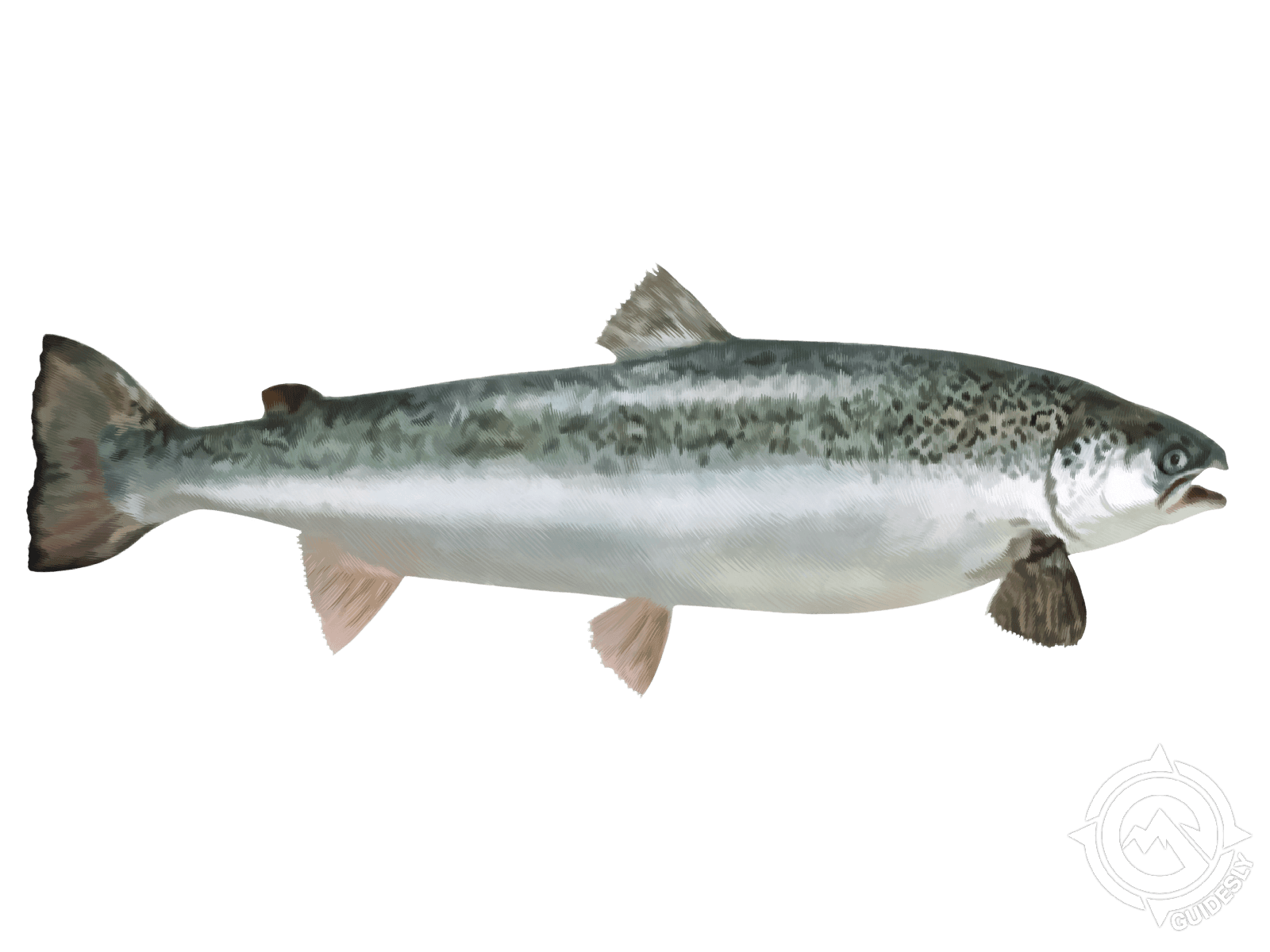
More species you can explore on this trip
Hook N Line Fishing Charters LLC Available Trips
Other customer memories from this trip
The Madelyn Kaye is purpose-built for serious inshore fishing around Biloxi's bays and flats. She's comfortable and spacious enough for 4 anglers to work without crowding or tangled lines, which makes a real difference when everyone's casting simultaneously. The boat handles shallow water easily, getting you into the prime grass beds and oyster bars where Black Drum and Flounder congregate. You'll notice the setup prioritizes working room at the bow and sides, so there's plenty of casting space whether you're throwing to visible structure or working soft plastics across shallow flats. Captain Nathan maintains quality tackle onboard and stays dialed into seasonal patterns around the Sound, so the boat's equipped with what actually works for local species. The ride is stable enough to handle extended time on the water comfortably, and the overall vibe is focused and professional without being overly formal. This is a working boat designed to put anglers in the right spots and keep them fishing productively all morning.