%2Ffit-in%2F250x250%2Fguide_websites%2F58762%2Fimages%2F1768542512319hooknline_full_rgb.png&w=1920&q=100)
Sheepshead Fishing in Biloxi, MS with Captain Nathan Ball
Sheepshead and Coastal Species in Biloxi - What to Expect
%2F%2Fusers%2Ff141b030-dc94-47a6-8f4e-d8c2394a68e2%2Fimages%2Fbiloxi-sheepshead-fishing-catch-boat-3848.png&w=1920&q=75)
Fishing Adventures by Captain Nathan Ball in April
- Biloxi MS Family Fishing & Island Charters



Summary
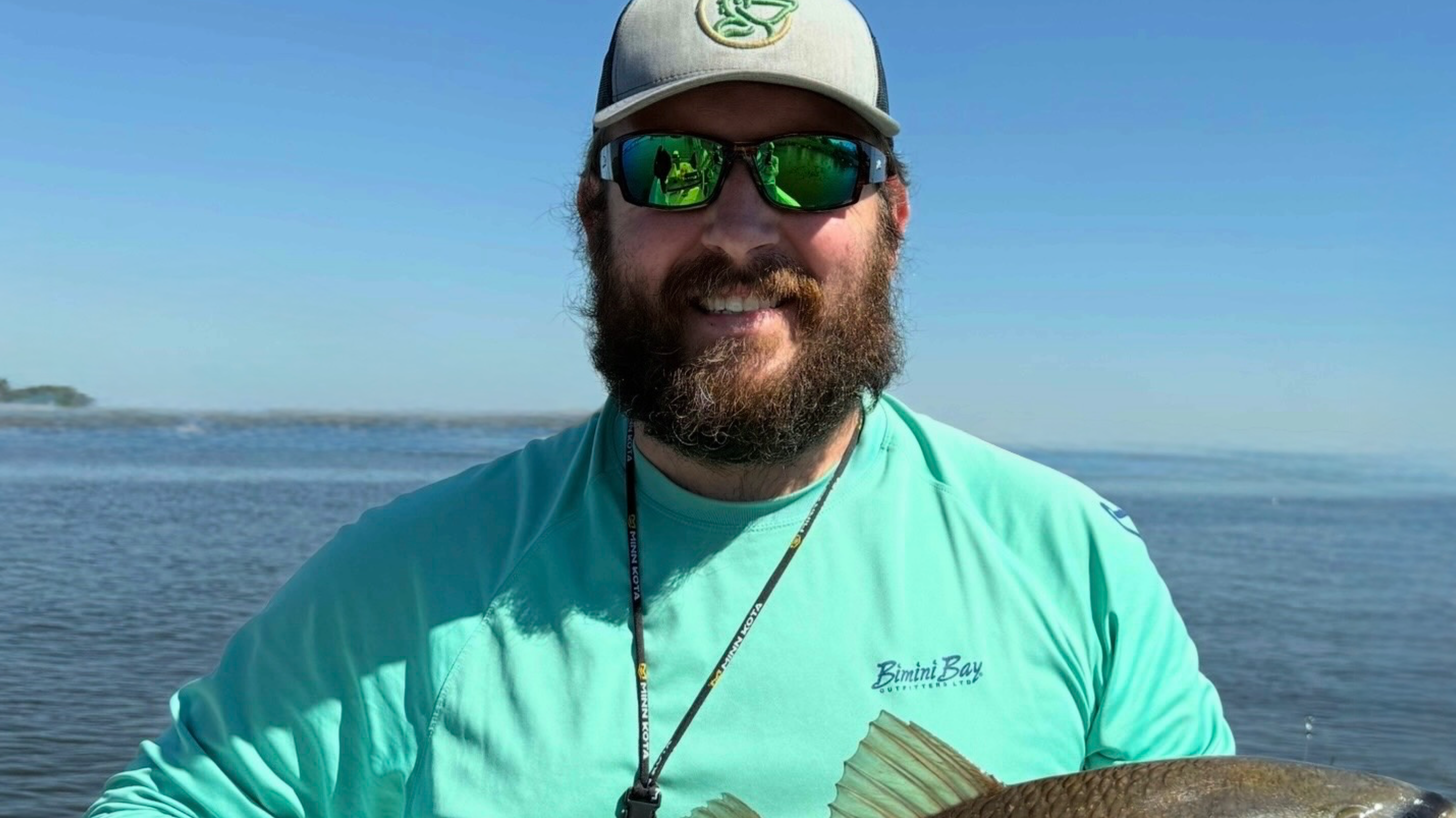
Our 6-hour Fishing Adventures with Captain Nathan Ball in Biloxi, MS on Thursday, April proved exactly why these coastal waters deliver consistent action. The extended inshore trip gave us real time to chase redfish, black drum, and sheepshead across Mississippi's productive bays and flats. With a small group setup aboard the Madelyn Kaye, we worked multiple spots and found what was biting.
Fishing Adventures with Captain Nathan Ball - Rates & Booking
Captain Nathan Ball of Hook N Line Fishing Charters LLC on Thursday, April offers a 6-hour extended half-day inshore fishing trip departing at 7:00 AM from Biloxi Small Craft Harbor. This extended duration is built for serious fishing - the extra time means reaching prime bite locations and working multiple productive spots without feeling rushed.
The trip accommodates up to 4 guests, making it ideal for small groups, families, or dedicated anglers who want personalized attention. Your captain brings full knowledge of Mississippi's coastal patterns, and quality tackle is provided. All you need to bring is your fishing experience and enthusiasm. The 6-hour window gives you real flexibility to chase multiple species and adapt to daily conditions.
We target high-action species including redfish, black drum, sea trout, sheepshead, and summer flounder depending on what's feeding. This trip works for both experienced anglers and those looking to improve their skills in a supportive environment. Book your morning adventure today with Captain Nathan Ball.
Highlights of 6-hour Guided Fishing Adventure with Captain Nathan Ball
What stands out about this extended trip is the balance of accessibility and serious fishing opportunity. Six hours on the water means you're not watching the clock - you can work a productive flat thoroughly, move to a new location if the bite slows, and genuinely cover the diversity of Biloxi's inshore environment. The small group size keeps things personal and manageable, with plenty of room for everyone to cast and fight fish without tangling up.
Sheepshead and black drum are some of the most rewarding species in these waters. They're intelligent fish that demand accurate casting and good technique, making them satisfying catches. The Madelyn Kaye is built specifically for Mississippi's shallow bays and flats, so your captain can get you where the fish are holding around oyster bars and grass beds. The combination of responsive vessel, experienced local guide, and extended time creates genuine fishing success.
Local Species Insights: Sheepshead
Sheepshead are distinctive fish that thrive in Biloxi's coastal ecosystem. These fish are known for their hard mouths, flattened bodies, and vertical stripes that help them blend into their environments. They're structure-oriented fish that spend much of their time around pilings, oyster bars, jetties, and other hard cover where they hunt crustaceans and mollusks.
What makes sheepshead fishing engaging is that it requires precision. These fish have small mouths and definite feeding preferences - they're not aggressive strikers like redfish. Instead, they investigate bait carefully, and detecting their bite demands attention and technique. Many anglers find this challenge rewarding because it sharpens their fundamentals. When you connect with a sheepshead, the fight is determined and strong despite their modest size.
In Biloxi waters, sheepshead are present year-round but feed most actively during specific conditions. The extended morning trip timing catches them during feeding windows when structure areas hold concentrations. Your captain reads these patterns daily and knows exactly where to position for quality opportunities. The 6-hour timeframe allows exploration of multiple likely locations, increasing your chances of connecting with these rewarding fish.
Beyond sheepshead, this trip also targets redfish, black drum, and sea trout - each with its own habitat preferences and behavior patterns. The diversity keeps the day engaging whether you're a specialist pursuing one species or exploring what Biloxi's inshore waters offer. The coastal environment here is dynamic, with bays, flats, and marsh edges creating varied fishing scenarios throughout your trip.
Plan Your Fishing Day
Your day starts early at 7:00 AM from Biloxi Small Craft Harbor, which positions you perfectly for morning bite windows. The 6-hour duration means you'll fish through prime feeding periods and have time to explore multiple productive areas without rushing between spots. With 4-guest maximum capacity, you'll have personalized attention from Captain Nathan Ball throughout the trip.
The Madelyn Kaye provides comfortable accommodations for your group size. You'll have adequate space to move around safely while casting and fighting fish. Quality tackle is ready and waiting - your job is focusing on presentation and reading what the fish are telling you. Most anglers find the extended timeframe lets them settle in, develop rhythm, and make adjustments as conditions change throughout the morning.
Bring sun protection, polarized sunglasses for spotting fish, and comfort items you prefer. Wear non-slip footwear since boat decks can be wet. The April timing offers pleasant weather for Biloxi - warm enough to be comfortable but not oppressively hot. Your captain handles boat operations and navigation, positioning you for the best chances at each location. The combination of local expertise, responsive vessel, and adequate time creates conditions where success becomes achievable.
Fishing in Biloxi, MS: Sheepshead
Sheepshead Overview
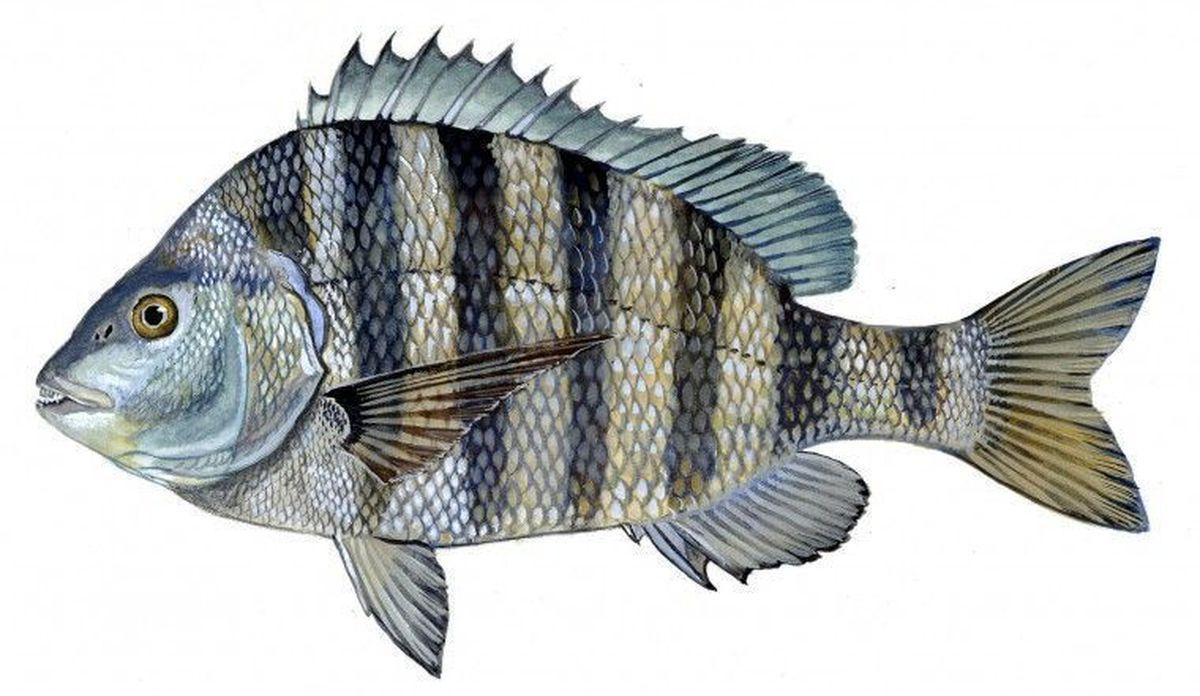
The Sheepshead (Archosargus Probatocephalus) is a distinctive member of the Sparidae family and order Perciformes that has captured the imagination of anglers and seafood enthusiasts along the entire eastern coast of North America. Known affectionately as the 'convict fish' for its striking gray body marked by five to seven dark vertical bars, this species stands out for one particularly unusual feature: teeth that closely resemble human molars. Found abundantly around Sheepshead Bay in New York and throughout the Gulf of Mexico, this fish has become an icon of coastal fishing culture. Their combination of challenging behavior, delicious mild-flavored flesh, and striking appearance makes them a sought-after target for both recreational and commercial fishing communities.
Sheepshead Habitat and Distribution
Sheepshead thrive in environments where they can find plenty of cover and structural complexity. You'll encounter these fish around docks, bridges, petroleum rigs, barnacle-covered pilings, offshore reefs, wrecks, and jetties—essentially any structure that provides shelter and feeding opportunities. They prefer to stay close to cover, though they occasionally venture toward shore to feed on sand fleas and other crustaceans. The species ranges along the entire east coast of the United States from Nova Scotia down through Florida and across the Gulf of Mexico, with the highest concentrations found in south Florida, the Gulf of Mexico, and northwest Florida where abundant artificial structures and pier pilings create ideal habitat. Their strong association with these structures makes them predictable targets for anglers who understand their environmental preferences.
Sheepshead Size and Weight
Most Sheepshead caught by anglers weigh between 1 and 8 pounds and measure 14 to 20 inches in length, making them a manageable yet respectable catch for fishermen of all skill levels. However, trophy specimens are within reach—patient anglers occasionally land individuals weighing up to 20 pounds and measuring 35 inches, demonstrating the potential for truly exceptional days on the water. What's particularly impressive about this species is its longevity; Sheepshead typically live about 20 years, allowing individual fish to grow steadily throughout their lives. This extended lifespan means that large specimens represent years of growth and survival, adding to their value as trophy catches.
Sheepshead Diet and Behavior
Sheepshead are opportunistic feeders with a well-earned reputation as persistent foragers around reef and structure environments. Their diet includes barnacles, small stone crab, fiddler crab, shrimp, mollusks, minnows, clams, and squid—basically any crustacean or small marine creature they can crush with their powerful jaws and distinctive human-like teeth. These fish are notorious 'bait stealers' that will delicately nibble at your bait in an attempt to loosen it from the hook before committing to a full strike, which is why anglers must keep their hooks set up firmly and be prepared to set with authority when the fish's weight is felt. They're also pelagic feeders that may hover at various depths rather than strictly staying near the bottom, requiring anglers to work their bait through the water column methodically. Their intelligent, cautious behavior and strong feeding motivation make them equal parts frustrating and rewarding to pursue.
Sheepshead Spawning and Seasonal Activity
Sheepshead are highly seasonal breeders that form massive spawning aggregations consisting of up to 10,000 individual fish during their primary reproductive period. These fish migrate to structures at channel passes, offshore reefs, jetties, and oil platforms, primarily spawning between February and April during early spring. This concentrated spawning behavior creates predictable windows when anglers can target large numbers of fish in known locations, though fishing pressure during these periods has led many regions to implement protective regulations. Understanding these seasonal movements is crucial for successful fishing, as the fish's location and feeding intensity can shift dramatically outside the spawn season.
Sheepshead Techniques for Observation or Capture
Structure-Focused Boat Fishing: When fishing from a boat, approach the structure without dropping an anchor if possible, as the commotion will spook fish. Pull up tight to docks, pilings, or reefs and cast your bait as close to the structure as you can manage. Sheepshead seldom venture far from cover, so proximity is paramount. Use light tackle and let your bait hit bottom, then slowly bring it up in 1-foot increments to determine the fish's suspension depth. The heavier weight of a shrimp-tipped jig helps keep bait down and prevents current from dragging it away from the target zone. Be prepared for aggressive hook sets, as these fish have powerful mouths and require a solid commitment when you feel their weight on the line.
Shore and Dock Fishing: Anglers without boat access can still enjoy excellent success fishing off docks, seawalls, and piers. Cast your bait as close to pilings and structure as possible, using the same vertical jigging technique to locate the fish through the water column. Natural baits like live or fresh-dead shrimp, fiddler crab, and stone crab work exceptionally well. Around locations like northwest Florida's abundant pier systems, you'll find consistent opportunities to connect with Sheepshead throughout the year, though spring spawning migrations concentrate fish in predictable locations.
Scent-Based Attraction: A particularly effective but location-dependent technique involves scraping barnacles off pilings with a rake to create a seeping slick of small meat pieces in the water (check local regulations first). Sheepshead quickly hone in on the scent and will come to you, converting a patience game into an active feeding opportunity. This method works exceptionally well around petroleum rigs and established reef systems where populations are dense and fish are accustomed to feeding on exposed shellfish.
Sheepshead Culinary and Utilization Notes
Sheepshead represents an excellent choice for sustainable seafood with a mild, delicious flavor profile that appeals to diverse palates. The white, sweet, and succulent flesh makes it ideal for grilling, baking, or frying, and it's a rich source of protein and omega-3 fatty acids. This species is notably low in mercury, making it a safe choice for regular consumption and a heart-healthy addition to any diet. Regular consumption of Sheepshead can help lower blood pressure, reduce heart disease risk, support brain function, boost immunity, and promote muscle growth and repair. The primary challenge lies in preparation—their tough scales and strong fin spines make cleaning and filleting labor-intensive compared to other food fish, which is why some anglers pass them over despite their culinary quality. For those willing to invest the effort, however, Sheepshead delivers exceptional table fare that justifies the extra work.
Sheepshead Frequently Asked Questions
Q: What is the best bait for catching Sheepshead?
A: Natural baits outperform alternatives nearly every time. Fresh or live shrimp, fiddler crab, stone crab, and clams are excellent choices. Shrimp-tipped jigs work well because the weight keeps your bait near the structure where fish feed. Always ensure your hook is set firmly, as Sheepshead are notorious for nibbling baits loose before committing to a strike.
Q: Where can I find Sheepshead near major fishing destinations?
A: Sheepshead are abundant throughout Florida, the Gulf of Mexico, and along the entire east coast. In Sheepshead Bay, New York, historical populations have declined due to pollution, but they remain plentiful around docks, piers, and offshore structures throughout their range. Northwest Florida offers particularly consistent opportunities thanks to its abundance of artificial structures and pier pilings.
Q: What makes Sheepshead so difficult to catch sometimes?
A: These fish are notorious bait stealers that will delicately nibble at your offering in an attempt to loosen it before taking it fully. They're also intelligent, cautious fish that rarely venture far from cover. Success requires tight hook sets, aggressive strikes when you feel weight on the line, positioning your bait extremely close to structure, and patience through the initial nibbling phase.
Q: Is Sheepshead good to eat, and what does it taste like?
A: Yes, absolutely. Sheepshead offers delicious, mild-flavored white flesh that's sweet and succulent. It's a sustainable, low-mercury option rich in omega-3 fatty acids and protein, making it heart-healthy and nutritious. The primary drawback is the effort required to clean and fillet due to tough scales and strong spines, but the quality of the meat justifies this extra work for dedicated seafood enthusiasts.
Q: When is the best time to catch Sheepshead?
A: Spring (February through April) is peak season when massive spawning aggregations concentrate fish around specific structures like channel passes, jetties, and offshore reefs. However, Sheepshead are available year-round in most of their range, with consistent opportunities around established structures and artificial reefs throughout the year.
Q: How can I improve my success rate when fishing for Sheepshead?
A: Use light tackle, approach structures without excessive commotion, cast extremely close to pilings and cover, work your bait through multiple depths rather than just the bottom, and be prepared for aggressive hook sets. Consider using shrimp-tipped jigs to maintain bottom contact while reducing line slack. If local regulations permit, creating a scent slick by scraping barnacles off pilings can attract fish to your fishing zone.
More species you can explore on this trip
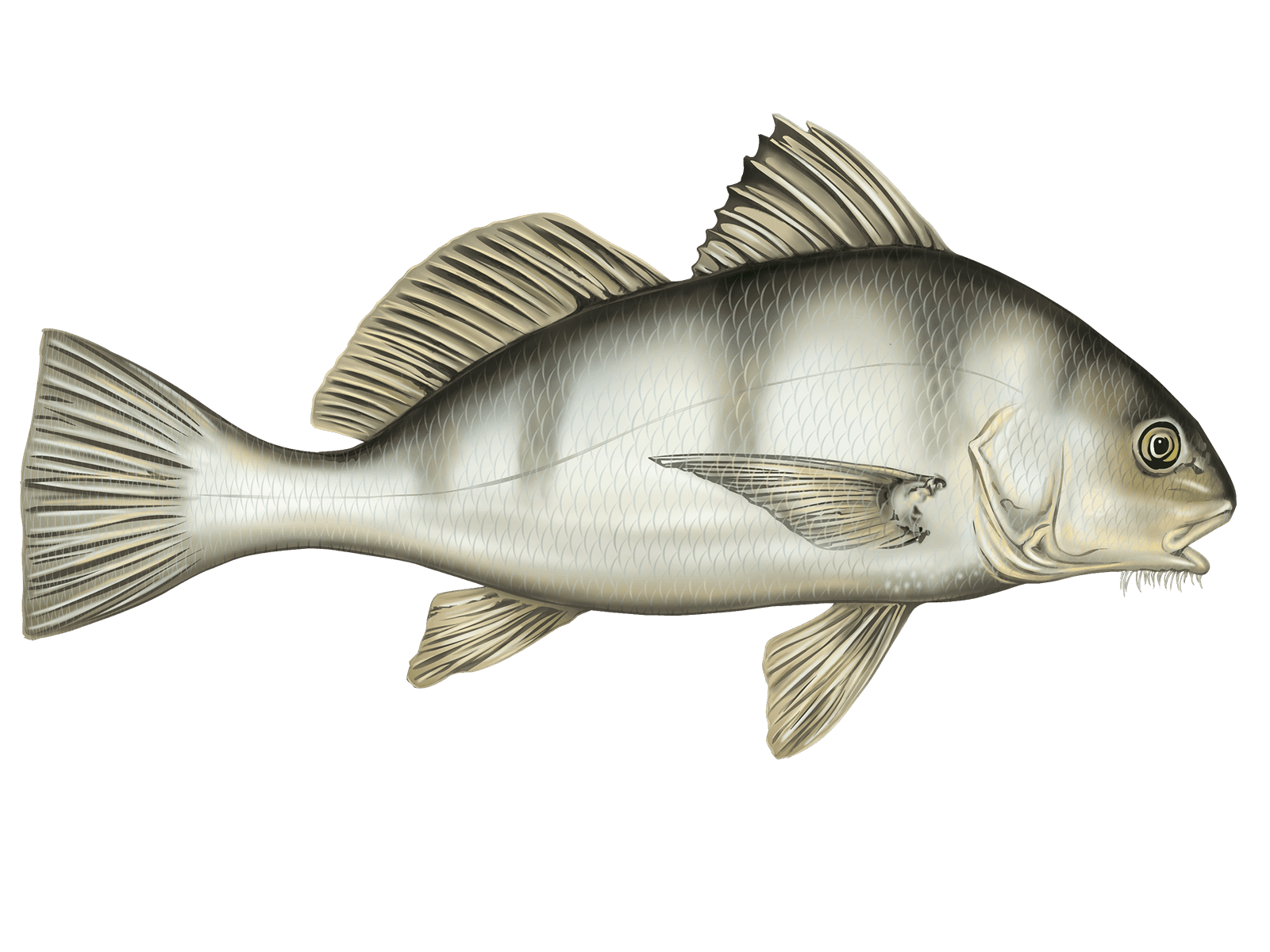
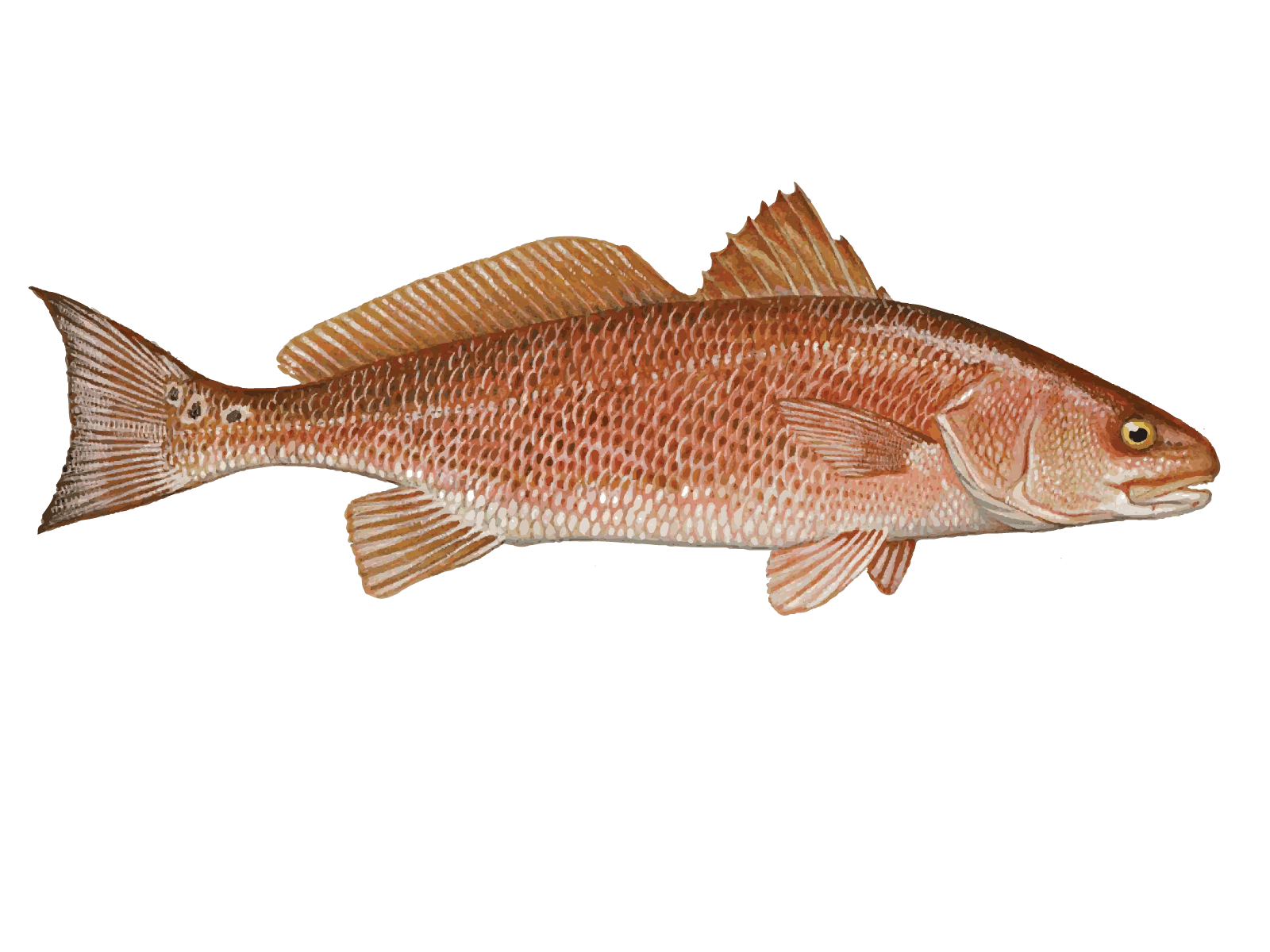
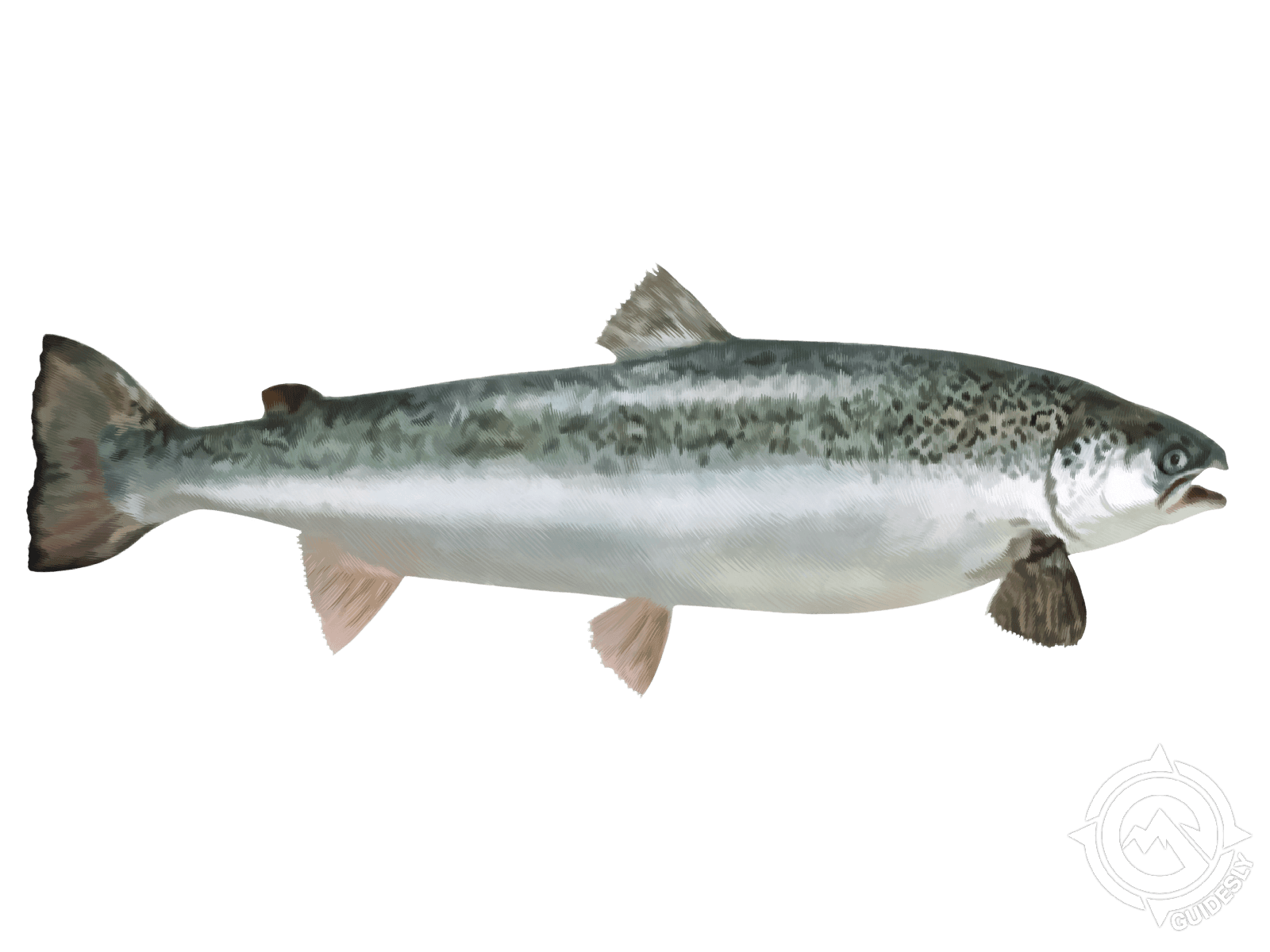
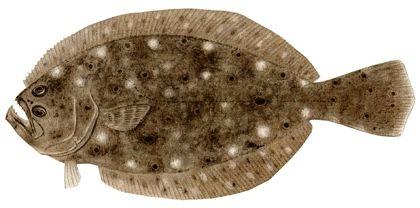
Hook N Line Fishing Charters LLC Available Trips
Other customer memories from this trip
The Madelyn Kaye is purpose-built for inshore fishing around Biloxi, and that shows in every detail. With room for 4 anglers comfortably, there's genuine space to move around without feeling crowded or getting tangled up with other people's lines. The boat layout gives everyone good casting room, which matters when you're working structure and need accuracy. You get actual deck space to land fish and handle them properly, not a cramped setup where everything feels chaotic. The vessel is shallow-draft enough to navigate Mississippi's bays and flats effectively, meaning your captain can get you into areas where the fish actually are rather than staying in deeper water out of frustration. Everything about the boat setup - railings, cleats, the working space - shows it's designed for anglers who take fishing seriously. Captain keeps quality tackle stocked and maintains the boat well, so you're not dealing with broken equipment or maintenance surprises. The Madelyn Kaye doesn't feel luxurious or overbuilt with unnecessary features, but instead feels like a genuine working fishing boat that prioritizes getting you where the fish are biting and giving you the platform to fish effectively.