%2Ffit-in%2F250x250%2Fguide_websites%2F58762%2Fimages%2F1768542512319hooknline_full_rgb.png&w=1920&q=100)
Catch Sheepshead in Biloxi, MS - 6-Hour Fishing Trip
Sheepshead Fishing in Biloxi - What to Expect
%2F%2Fusers%2Ff141b030-dc94-47a6-8f4e-d8c2394a68e2%2Fimages%2Fbiloxi-sheepshead-fishing-catch-boat-4843.png&w=1920&q=75)
Fishing Adventures by Captain Nathan Ball in April
- Biloxi MS Family Fishing & Island Charters



Summary
Join Captain Nathan Ball of Hook N Line Fishing Charters on Thursday, April 10th for a full morning of inshore fishing adventures in Biloxi, MS. This 6-hour guided fishing trip targets sheepshead, redfish, black drum, sea trout, and flounder across Mississippi's most productive coastal waters. Perfect for anglers seeking personalized instruction and serious action on the water.
Extended Half Day Fishing with Captain Nathan Ball - Rates & Booking
Captain Nathan Ball of Hook N Line Fishing Charters on Thursday, April 10th is your guide to serious inshore fishing in Biloxi's prime coastal waters. This 6-hour extended half day trip departs at 7:00 AM from Biloxi Small Craft Harbor, giving you real time to explore multiple productive spots and maximize your chances at quality bites.
Trip details include up to 4 anglers per trip, ensuring a personalized experience tailored to your skill level. The extra duration on the water allows Captain Nathan to work multiple areas, targeting high-action species like redfish, black drum, sea trout, sheepshead, and summer flounder. All quality tackle is provided on the boat, and your local guide knows exactly where these fish are feeding based on current conditions and season.
This is a fully guided fishing adventure with all gear included. Book your spot today to secure your morning departure and experience the best of Biloxi inshore fishing.
Highlights of Extended Half Day Fishing Trip in Biloxi, MS
The 6-hour timeframe sets this trip apart from shorter outings. You're not rushed from spot to spot - instead, Captain Nathan can spend quality time at each productive location, working the oyster bars, grass beds, and deeper channels where sheepshead, redfish, and black drum congregate. This extended window means more casts, more strikes, and real opportunities to land serious fish.
Biloxi's coastal waters offer exceptional species diversity. Whether you're battling a hard-fighting redfish, targeting the aggressive bites of black drum, or working finesse tactics for speckled trout, each species provides a different challenge and reward. Sheepshead are known for their unique appearance and powerful bites - these fish put up genuine fights and make for memorable moments on the deck.
Local Species Insights: Sheepshead
Sheepshead are one of the most distinctive and rewarding fish you can target in Biloxi's waters. These fish are instantly recognizable by their striped pattern and unusual mouth structure - they've got teeth designed for crushing hard shells, which tells you something about their strength and the challenge of landing them.
What makes sheepshead fishing so engaging is the combination of hunting skill and technique required. These fish inhabit structure like oyster bars, dock pilings, and mangrove roots throughout Mississippi's coastal areas. They're bottom feeders that root around for crustaceans and hard-shelled prey, which means they're aggressive biters when conditions are right. The fight itself is memorable - sheepshead pull hard and don't give up easily, making them a prized catch for inshore anglers.
The extended 6-hour window gives Captain Nathan time to work the areas where sheepshead congregate based on tide and season. You'll experience the full rhythm of inshore fishing - the patience of waiting for the right bite, the sudden strike, and the genuine challenge of fighting these powerful fish. Whether you're a seasoned angler or new to inshore fishing, sheepshead provide an authentic Gulf Coast experience.
Black drum and redfish share similar habitats with sheepshead, so your day often includes opportunities to target multiple species. The variety keeps the action fresh and your skills sharp. You might find yourself working shallow flats for redfish in the morning, then moving to deeper channels where black drum and sheepshead are more active as conditions change throughout the day.
Plan Your Fishing Day
Your morning starts early - meet at Biloxi Small Craft Harbor for a 7:00 AM departure aboard the Madelyn Kaye. Bring sunscreen, water, and wear comfortable clothing suitable for being on the water. All fishing tackle is provided and ready to go, so you can focus entirely on the experience.
With a 4-person capacity, you'll enjoy plenty of space to cast and move around the boat without crowding or tangling lines. Captain Nathan handles boat positioning and navigation while you concentrate on finding fish and enjoying the water. The relaxed pace of a 6-hour trip means you can ask questions, learn from a local expert, and soak in the atmosphere of Biloxi's productive inshore ecosystem.
Bring a camera - sheepshead, redfish, and black drum make excellent photos, and the sunrise over the water is worth capturing. By the time you return to the harbor around 1:00 PM, you'll have stories, memories, and hopefully some great fish photos to share.
Fishing in Biloxi, MS: Sheepshead
Sheepshead Overview
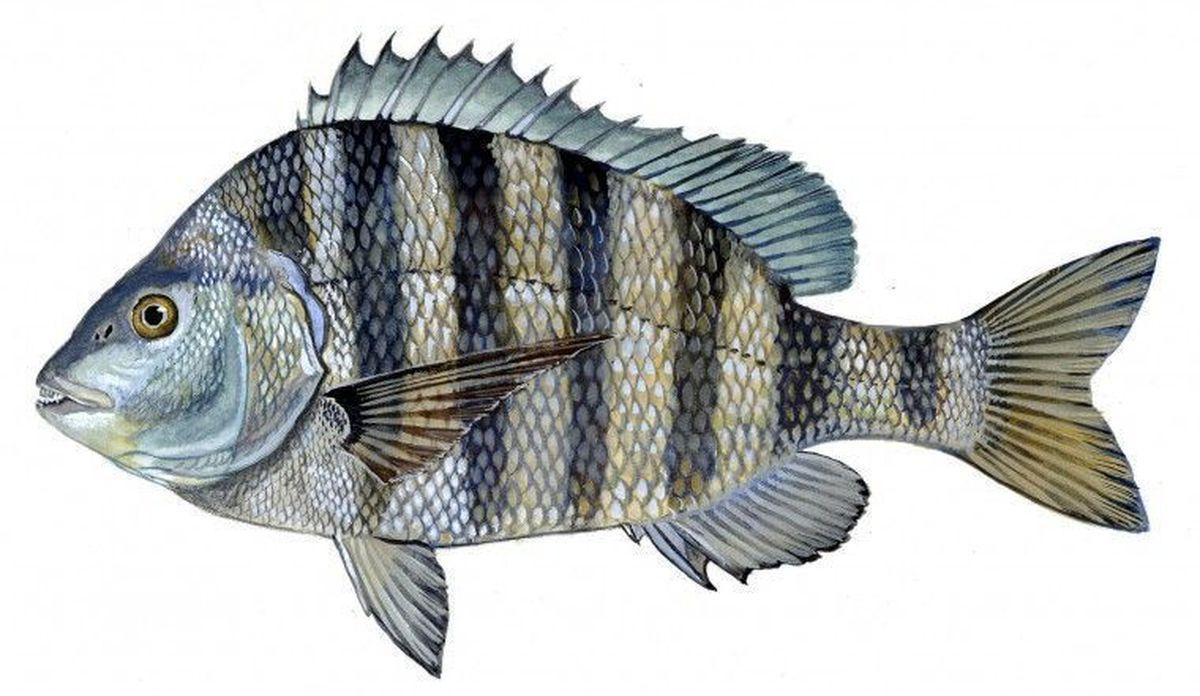
The Sheepshead (Archosargus Probatocephalus) is one of the most distinctive and entertaining fish species in the Sparidae family, belonging to the order Perciformes. This beautifully compressed grey fish is instantly recognizable by its five to seven dark vertical bars running along its body, which earned it the colorful nickname 'convict fish.' But what really sets the Sheepshead apart is its remarkable set of human-like teeth—a feature that never fails to surprise and delight anglers seeing one for the first time. Found along the Atlantic coast from Nova Scotia down through Florida and throughout the Gulf of Mexico, this native species has become a beloved target for both recreational anglers and seafood enthusiasts. The Sheepshead Bay in New York, once teeming with these fish, stands as a testament to their historical abundance, though pollution has since depleted populations there.
Sheepshead Habitat and Distribution
If you're looking for Sheepshead, think structure—lots of it. These fish are absolute homebodies when it comes to their preferred environments, clinging to docks, bridges, petroleum rigs, jetties, offshore reefs, and any barnacle-covered pilings they can find. The highest concentrations of Sheepshead are found in south Florida extending into the Gulf of Mexico, where artificial structures and natural reefs provide perfect hunting grounds. Northwest Florida also sees large populations thanks to the abundance of pier pilings and man-made structures that dot the coastline. You'll occasionally find them venturing closer to shore to hunt sand fleas, a type of crab that lives in shallow sandy areas. While their range extends as far north as Nova Scotia, they thrive in warmer waters where structures provide shelter and abundant food sources. Whether you're fishing from a dock in Florida or casting from a jetty in the Gulf, structure is always your best bet for locating these gregarious fish.
Sheepshead Size and Weight
Most anglers can expect to encounter Sheepshead in the 14 to 20 inch range, typically weighing between 1 and 8 pounds. These are excellent eating-size fish that provide plenty of action without requiring specialized heavy tackle. However, if you're patient and lucky, you might hook into a true trophy—Sheepshead have been documented at weights approaching 20 pounds and lengths exceeding 35 inches. What's particularly impressive about Sheepshead is their longevity; these fish can live approximately 20 years in the wild, meaning some of the larger specimens you might encounter are genuinely old and experienced at avoiding capture. This combination of size potential and fighting ability makes them an exciting target for anglers of all skill levels.
Sheepshead Diet and Behavior
Sheepshead are specialized feeders with a diet that revolves around hard-shelled crustaceans and mollusks. Their powerful jaws and human-like teeth are perfectly adapted for crushing barnacles, small stone crabs, fiddler crabs, and clams. They'll also consume shrimp, mollusks, minnows, and squid when the opportunity arises. One of the most notorious behavioral traits of the Sheepshead is their reputation as 'bait stealers.' These cunning fish will nibble delicately at your bait in an attempt to loosen it from the hook without actually committing to a full strike. This requires anglers to keep their bait firmly secured and to be exceptionally alert for subtle weight on the line. Once you do feel them biting, an aggressive hook set is essential due to their powerful mouths and strong jaws. They typically remain close to their protective structures, rarely venturing far from cover, though they're known to adjust their depth throughout the water column depending on where food is concentrated.
Sheepshead Spawning and Seasonal Activity
The Sheepshead's spawning season is a remarkable natural spectacle. These fish form enormous spawning aggregations of up to 10,000 individuals that migrate to specific structures during the early spring months, primarily from February through April. This seasonal migration takes them to channel passes, offshore reefs, jetties, and oil platforms where they gather to reproduce. Understanding this seasonal pattern is crucial for anglers, as it means Sheepshead can be especially concentrated and active during these spawning months. The sheer number of fish congregating in these areas makes spring an excellent time to target them, though they remain available year-round in most Gulf and Atlantic coastal regions. The predictability of their spawning behavior and migration patterns has made Sheepshead a favorite among experienced guides and anglers who time their trips accordingly.
Sheepshead Techniques for Observation and Capture
Boat Fishing Method: If you're fishing from a boat, approach structures slowly and avoid dropping anchor if possible, as the disturbance will startle the fish. Position your boat as close to pilings, jetties, or reefs as safely feasible. Use light tackle and cast your bait directly to the structure, allowing it to sink to the bottom, then slowly retrieve it in one-foot increments to determine the fish's depth. Sheepshead often suspend at varying levels rather than staying strictly on the bottom, so this vertical probing is essential. When you feel the telltale nibbles, set the hook aggressively and be prepared for a determined fight.
Dock and Pier Method: Shore-based anglers can enjoy excellent Sheepshead fishing directly from docks and seawalls. Cast your bait as close to the pilings as possible—getting within inches of the structure dramatically increases your odds. Use natural baits like fiddler crabs, stone crab claws, or live shrimp. A shrimp-tipped jig works exceptionally well as the heavier weight keeps your bait down and prevents it from being swept away by current. The key is keeping your bait tight to the structure where these fish feel most confident feeding.
Barnacle Scraping Technique: If local regulations permit, try scraping barnacles off the pilings with a rake to create a dispersing cloud of meat and scent in the water. This aggressive chumming method attracts Sheepshead from nearby hiding spots, virtually making them come to you. Around Florida's Gulf Coast, this technique has proven incredibly effective, particularly along older wooden pier structures that have developed thick barnacle colonies.
Sheepshead Culinary and Nutritional Notes
Despite their intimidating teeth and difficult-to-clean appearance, Sheepshead is an excellent choice for the dinner table. The white, delicate flesh offers a mild, sweet flavor that appeals to most palates. However, their tough scales and strong fin spines make cleaning and filleting challenging, which is why some anglers pass on keeping them in favor of easier-to-prepare species. Those who take the time to process them properly find the effort worthwhile. Sheepshead is rich in protein and omega-3 fatty acids, making it a heart-healthy choice that supports cardiovascular function, brain health, and muscle recovery. The fish is also low in mercury, allowing you to enjoy it regularly without concern. Whether grilled, baked, fried, or steamed, Sheepshead provides a sustainable seafood option that's both nutritious and delicious. Many Gulf Coast restaurants and home cooks consider it one of the finest local eating fish available.
Sheepshead Frequently Asked Questions
Q: What is the best bait for catching Sheepshead?
A: Natural baits work best. Live or fresh fiddler crabs, stone crab claws, and live shrimp are top choices. The closer your bait resembles what they naturally eat around structures, the better your success. Sheepshead are opportunistic feeders but prefer authentic crustacean baits. Avoid pre-packaged or artificial baits when possible.
Q: Where can I find Sheepshead near major Gulf Coast cities?
A: In Florida and throughout the Gulf of Mexico, focus on any man-made or natural structure: jetties, piers, docks, oil platforms, and bridge pilings. Southwest Florida, the Tampa Bay area, and the Florida Panhandle offer exceptional concentrations. Specific hotspots include causeway structures, pass areas, and offshore reef systems. Your local tackle shop can provide precise coordinates for current productive structures.
Q: Are Sheepshead really good to eat?
A: Yes, absolutely. Sheepshead has delicate white flesh with a mild, slightly sweet flavor. It's an excellent source of lean protein and omega-3 fatty acids, making it both delicious and nutritious. The main challenge is cleaning them due to their tough scales and spines, but the effort is rewarded with high-quality table fare. Many consider it one of the finest eating fish in the Gulf.
Q: When is the best time to catch Sheepshead?
A: February through April is peak spawning season when they aggregate in massive numbers around structures, making it the prime time. However, Sheepshead are available year-round in most coastal areas. Fishing early morning or late afternoon typically produces better results than midday, and tidal movements often concentrate them around structure passes.
Q: Why are Sheepshead called 'convict fish'?
A: The nickname comes from their distinctive appearance—five to seven dark vertical bars running along their grey compressed body make them resemble a convict in striped prison garb. It's one of several colorful names for this visually distinctive species.
Q: How do I know when a Sheepshead is biting if they're such notorious bait stealers?
A: You'll feel light nibbling or subtle weight on your line as they test your bait. Keep your tackle sensitive and watch your rod tip closely. The moment you feel that telltale pressure, set the hook aggressively with a firm upward strike. They have powerful mouths, so a hesitant hook set often results in lost fish. Experienced anglers develop a feel for distinguishing their delicate bites from other species.
More species you can explore on this trip
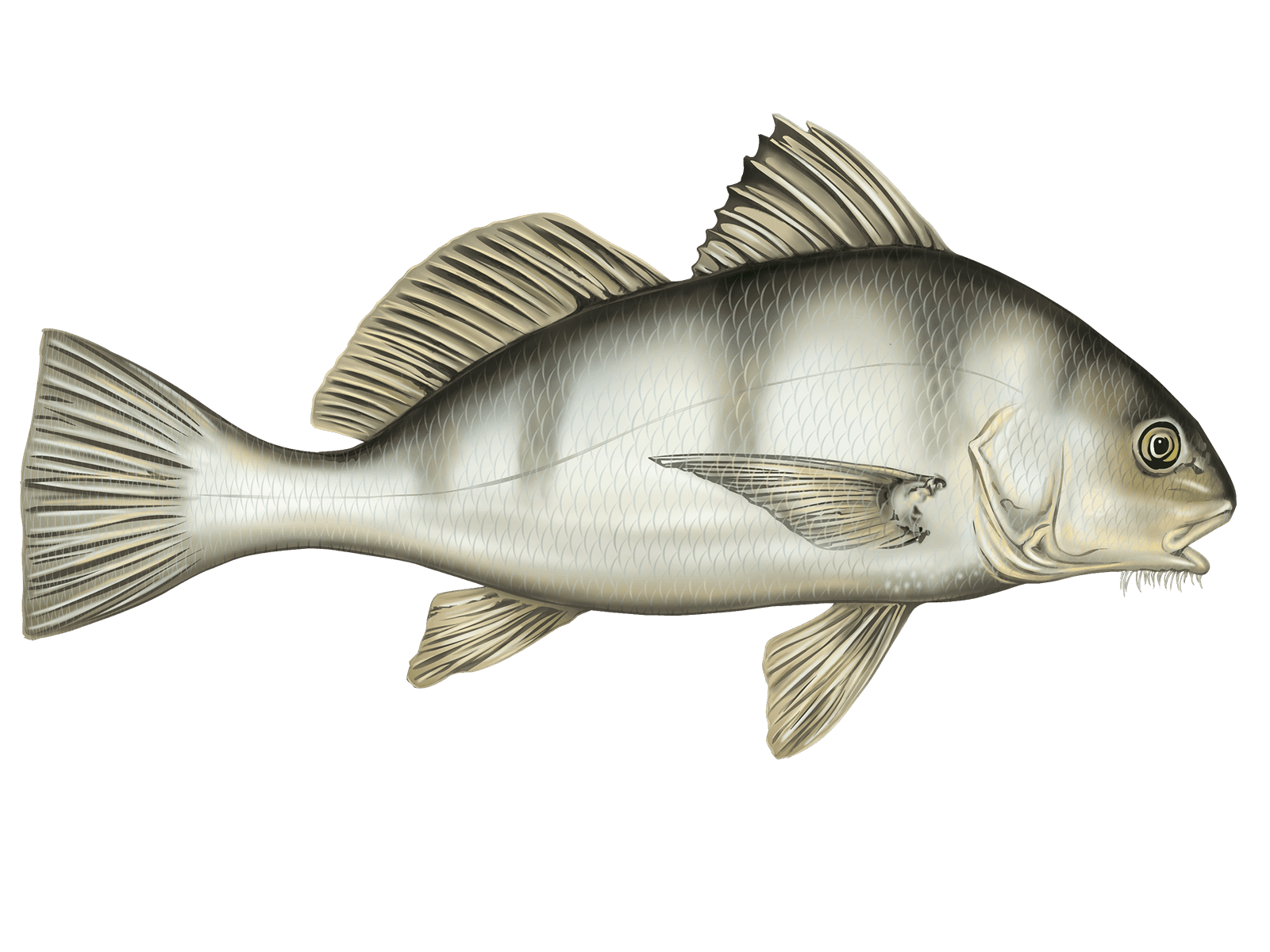
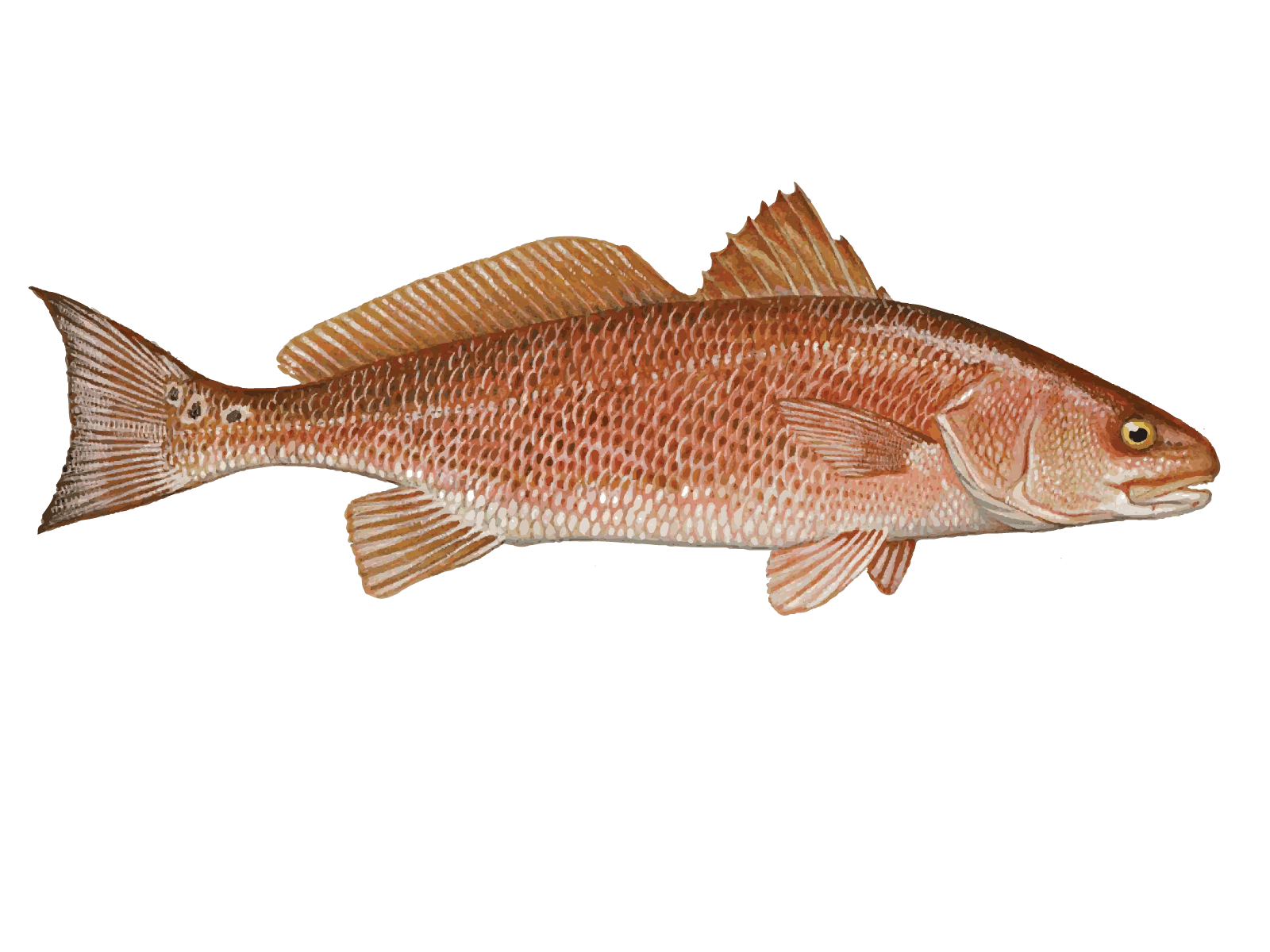
Hook N Line Fishing Charters LLC Available Trips
Other customer memories from this trip
The Madelyn Kaye is purpose-built for inshore fishing in Mississippi's coastal waters. She's designed to handle shallow bays and flats where the best bite happens, allowing Captain Nathan to reach productive spots that bigger boats simply can't access. With comfortable capacity for 4 anglers, everyone gets plenty of casting space without crowding - you won't be tripping over lines or fighting for position during the action. The boat layout makes it easy to move around and work different spots without getting tangled up. You'll notice she's set up clean and organized, with quality tackle readily accessible. The real value here is that the Madelyn Kaye gets you to where the fish actually are - around oyster bars, through shallow grass beds, and to the structure where sheepshead, redfish, and black drum congregate. That means more time fishing productive water and less time running between spots. Captain keeps her stocked with everything you need, so you can focus on casting and enjoying the morning on the water.