%2Ffit-in%2F250x250%2Fguide_websites%2F58762%2Fimages%2F1768542512319hooknline_full_rgb.png&w=1200&q=100)
/users/f141b030-dc94-47a6-8f4e-d8c2394a68e2/ratecard/57c94044-1edf-4bff-b1e7-6c43b42f1e1f.jpg)
%2F300x300%2Fusers%2Ff141b030-dc94-47a6-8f4e-d8c2394a68e2%2Fratecard%2F57c94044-1edf-4bff-b1e7-6c43b42f1e1f.jpg&w=256&q=75)
%2F300x300%2Fusers%2Ff141b030-dc94-47a6-8f4e-d8c2394a68e2%2Fimages%2Fsheepshead-catch-biloxi-2845.jpg&w=256&q=75)
%2F300x300%2Fusers%2Ff141b030-dc94-47a6-8f4e-d8c2394a68e2%2Fimages%2Fsheepshead-fishing-cruise-biloxi-2518.jpg&w=256&q=75)
%2F300x300%2Fusers%2Ff141b030-dc94-47a6-8f4e-d8c2394a68e2%2Fimages%2Fsheepshead-fishing-ms-2554.jpg&w=256&q=75)
%2F300x300%2Fusers%2Ff141b030-dc94-47a6-8f4e-d8c2394a68e2%2Fimages%2Ftwo-drum-sheepshead-ms-2900.jpg&w=256&q=75)
%2F300x300%2Fusers%2Ff141b030-dc94-47a6-8f4e-d8c2394a68e2%2Fimages%2Fsheepshead-catch-ms-fishing-cruises-2870.jpg&w=256&q=75)
%2F300x300%2Fusers%2Ff141b030-dc94-47a6-8f4e-d8c2394a68e2%2Fimages%2Fblack-drum-caught-ms-cruises-2746.jpg&w=256&q=75)
%2F300x300%2Fusers%2Ff141b030-dc94-47a6-8f4e-d8c2394a68e2%2Fimages%2Ffishing-excursion-mississippi-2704.jpg&w=256&q=75)
%2F300x300%2Fusers%2Ff141b030-dc94-47a6-8f4e-d8c2394a68e2%2Fimages%2Fredfish-biloxi-fishing-trip-2749.jpg&w=256&q=75)
%2F300x300%2Fusers%2Ff141b030-dc94-47a6-8f4e-d8c2394a68e2%2Fimages%2Fsheepshead-catch-biloxi-2787.jpg&w=256&q=75)
%2F300x300%2Fusers%2Ff141b030-dc94-47a6-8f4e-d8c2394a68e2%2Fimages%2Fsheepshead-biloxi-fishing-2525.jpg&w=256&q=75)
Biloxi Inshore Fishing Redfish Trout Half Day
 Biloxi, MS
What you will be catching:
 Black Drum
 Redfish
 Sea Trout
 Sheepshead
 Summer Flounder
- 4-hour private inshore fishing from Point Cadet Marina aboard Madelyn Kaye
- Target redfish, black drum, sea trout, sheepshead, and summer flounder
- Maximum 4 guests with morning or afternoon departure options available
Trip Pricing and Availabilities:
Trip pricing information is temporarily unavailable.
Half Day Island Fishing Trip in Biloxi, MS
If you're looking for a solid inshore fishing adventure along the Mississippi Gulf Coast, you've found the right crew. Captain and the team at Hook N Line Fishing Charters know these waters like the back of their hand, and they're ready to put you on some serious fish. Departing from Point Cadet Marina aboard the "Madelyn Kaye," this 4-hour private charter gives you and up to three buddies the perfect shot at Mississippi's best inshore species. Whether you're an early bird ready for that 7:00 AM bite or prefer the afternoon action starting at 2:00 PM, we've got the timing dialed in for when these fish are most active.
What to Expect on the Water
This isn't your typical crowded party boat situation. With just four anglers max, you get the personalized attention that makes all the difference between a good day and a great day. The "Madelyn Kaye" is perfectly rigged for inshore work, giving us the ability to slip into those shallow honey holes where the big reds like to hang out. We're talking about productive waters around the barrier islands, grass flats, and structure that holds fish year-round. The boat's setup allows us to work everything from oyster bars to drop-offs, and trust me, we know exactly where to find the action based on tides, weather, and what's been biting lately. You'll spend your time actually fishing instead of running around looking for spots, because we've already done the homework for you.
Techniques & Tackle Setup
We keep things simple but effective out there. Most of our fishing involves live and cut bait presentations that these coastal species can't resist. We're talking about soaking live shrimp under popping corks for trout, working cut mullet on the bottom for those bruiser black drum, and sight fishing for tailing redfish when conditions are right. The tackle is medium to medium-heavy spinning gear that can handle anything from a 14-inch trout to a 30-pound red drum. Don't worry about bringing your own equipment - we've got quality rods, reels, and terminal tackle that's designed for this type of fishing. The key is reading the water and adapting to what the fish want on any given day, whether that's working structure with jigs or drifting bait over grass beds.
Top Catches This Season
Redfish are the absolute stars of the show here in Biloxi's inshore waters. These copper-colored bruisers typically run anywhere from 18 inches up to that magical 27-inch slot limit, with plenty of oversized bulls mixed in for those who want a real arm-burning fight. Spring through fall offers the most consistent action, but even winter days can produce when you know where to look. What makes reds so special is their aggressive nature - they'll crush a live shrimp, inhale a chunk of crab, or absolutely demolish a topwater plug when they're feeding shallow. The sight of a red's bronze back cruising through skinny water never gets old.
Black Drum might not win any beauty contests, but they'll test your drag system like nothing else in these waters. We're talking about fish that regularly push 20 to 40 pounds, with some monsters exceeding 50 pounds lurking around the right structure. These bottom-huggers love oyster bars, bridge pilings, and rocky areas where they can crush crabs and shellfish. They're year-round residents, but spring spawning runs bring them into shallower water where they're more accessible. When a big drum picks up your bait, you'll know it - they make that initial run that'll have you wondering if you hooked the bottom of the boat.
Sea Trout, or speckled trout as the locals call them, are the bread-and-butter species that keep action steady throughout the trip. These beautiful spotted gamefish typically range from 12 to 20 inches, with occasional gator trout pushing 24 inches or better. They're most active during cooler months but can be caught year-round if you know their patterns. Trout are structure-oriented fish that love grass beds, drop-offs, and areas with moving water. They're also excellent table fare, making them a favorite target for anglers looking to fill the cooler with quality eating fish.
Sheepshead earn their nickname as the "convict fish" thanks to those distinctive black stripes, but don't let their appearance fool you - they're some of the craftiest fish you'll encounter. These bait thieves have human-like teeth designed for crushing barnacles and crabs off structure. Catching sheepshead requires finesse, patience, and quick reflexes, but the payoff is worth it. They're fantastic eating and provide a different kind of challenge that keeps experienced anglers coming back. Winter months typically offer the best sheepshead action when they school up around structure.
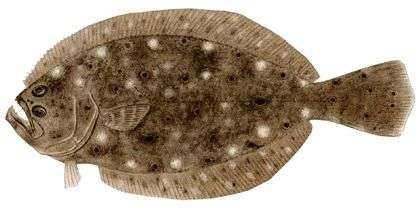
Summer Flounder, also known as fluke, are the chameleons of the inshore scene. These flatfish can change color to match their surroundings and ambush prey from the sandy bottom. They're typically most active during warmer months, hence the "summer" in their name. Flounder fishing requires a different approach - you're working the bottom with baits that mimic the small fish and crustaceans they feed on. When you hook a nice flounder, they'll give you that distinctive head-shaking fight that feels different from any other species out there.
Time to Book Your Spot
Here's the bottom line - this half-day trip gives you everything you need for a top-notch inshore fishing experience without breaking the bank or eating up your entire day. The 4-hour window is perfectly timed to hit the best bite periods, whether you're chasing the early morning action or the afternoon feeding frenzy. With species like redfish, black drum, trout, sheepshead, and flounder all calling these waters home, you're virtually guarantee
Learn more about the species
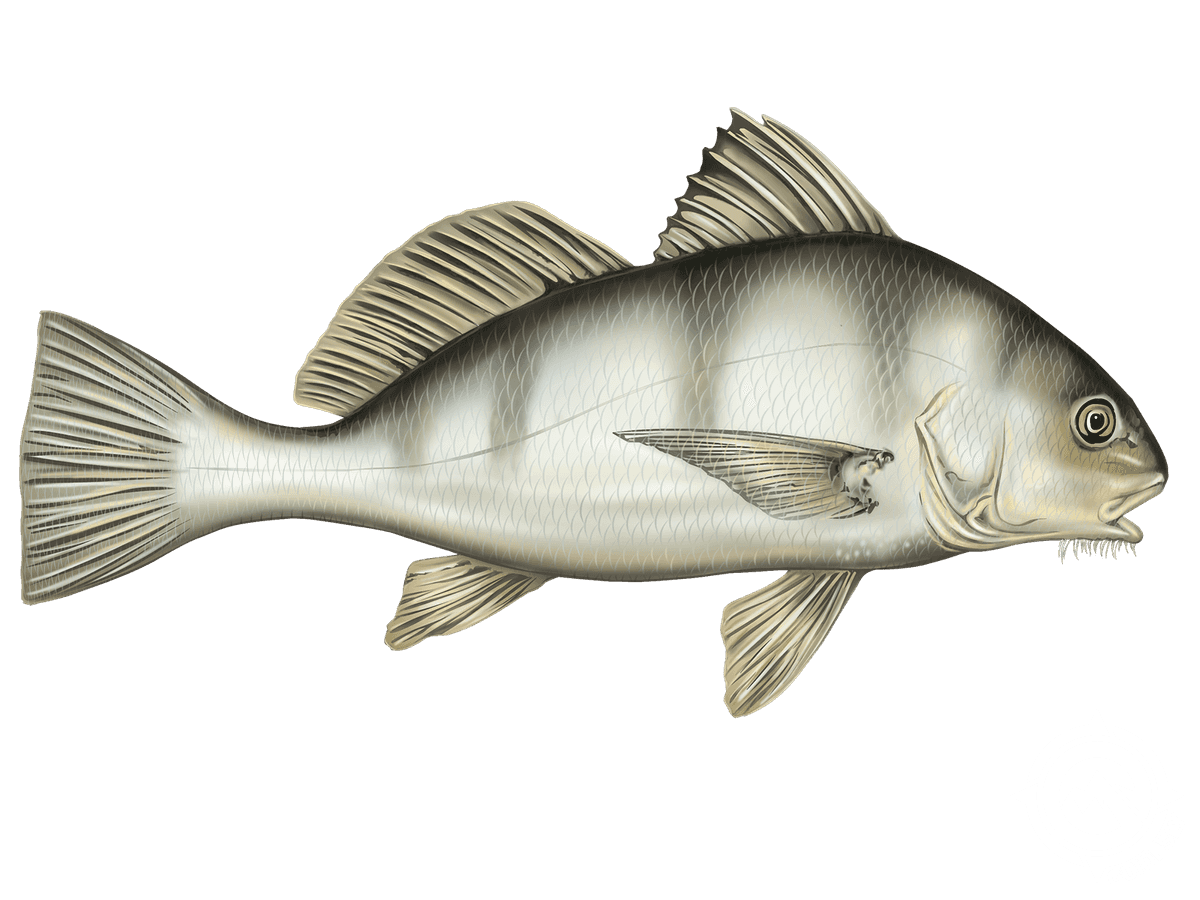
Black Drum
Black Drum are the heavyweights of our inshore waters, typically running 5-30 pounds but capable of hitting 90+ pounds. These dark, powerful fish love shallow muddy flats and oyster beds where they crush shellfish with their strong jaws. You'll hear them "drumming" underwater - that's how they got their name. Spring is prime time when they school up for spawning, making them easier to target around structure. They're fantastic fighters that'll test your drag, and the smaller ones (under 15 pounds) make excellent table fare with firm, white meat. Pro tip: use fresh crab or cut bait right on the bottom near oyster beds - they're notorious for picking baits clean, so keep your hook sharp and be ready to set it hard when you feel that telltale tap-tap.
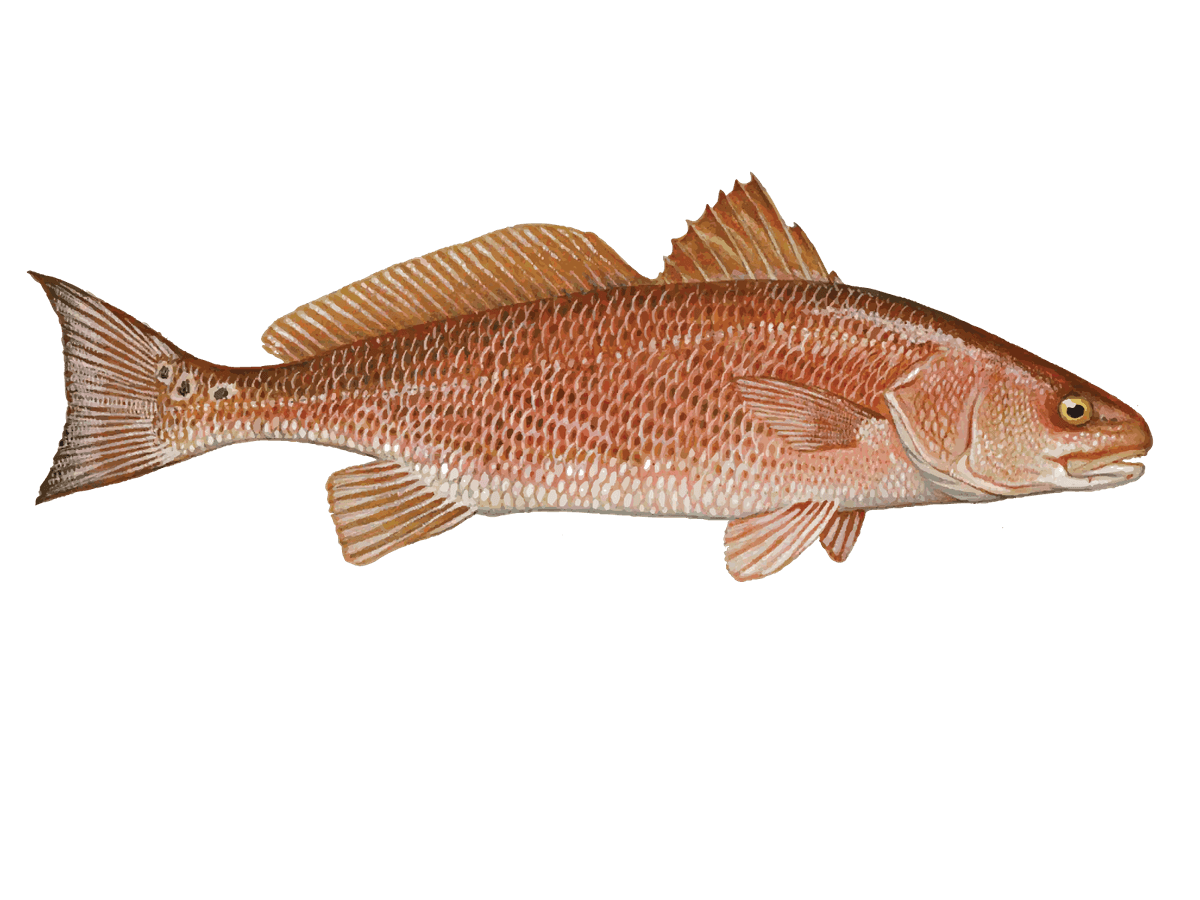
Redfish
Redfish are the crown jewel of our inshore waters - that copper-red color and distinctive black eyespot near the tail make them easy to spot. They typically run 20-35 inches and put up one heck of a fight in shallow water. You'll find them cruising grass flats, oyster reefs, and marsh edges in 1-4 feet of water, sometimes so shallow their backs stick out. They're year-round fish here, but spring and fall bring the most consistent action. What guests love is watching them cruise the flats and that explosive topwater strike when conditions are right. The meat is firm and mild - perfect for the dinner table. My favorite technique is sight-fishing with gold spoons or soft plastics, but here's the secret: when you spot one, lead them by a few feet and work your lure slowly past their nose. They're curious fish, so patience pays off.
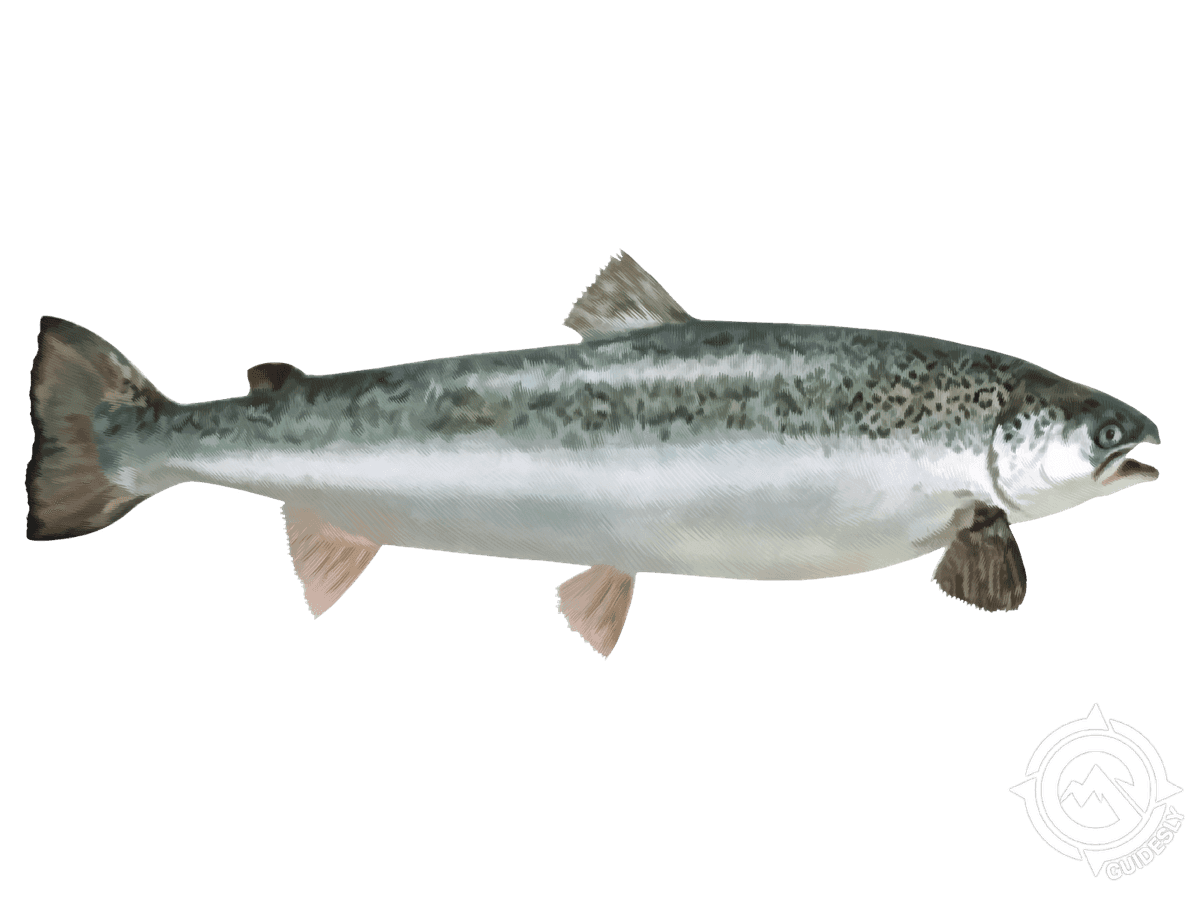
Sea Trout
Speckled Trout are the bread and butter of our inshore fishing - beautiful silver sides covered in black spots and that distinctive canine tooth. Most run 14-24 inches and 1-5 pounds, perfect for putting in the cooler. They love grass flats, shallow bays, and areas with moving water where they can ambush shrimp and small baitfish. Spring and fall are prime time, especially during those early morning and late afternoon feeds. What makes them special is that aggressive strike and strong initial run - plus they're some of the best eating fish in these waters with tender, white meat. The key is working artificial lures like soft plastics and topwater plugs over the grass beds. When the water's calm, throw a popping cork with live shrimp underneath - that popping sound drives them crazy and brings them up from the grass.
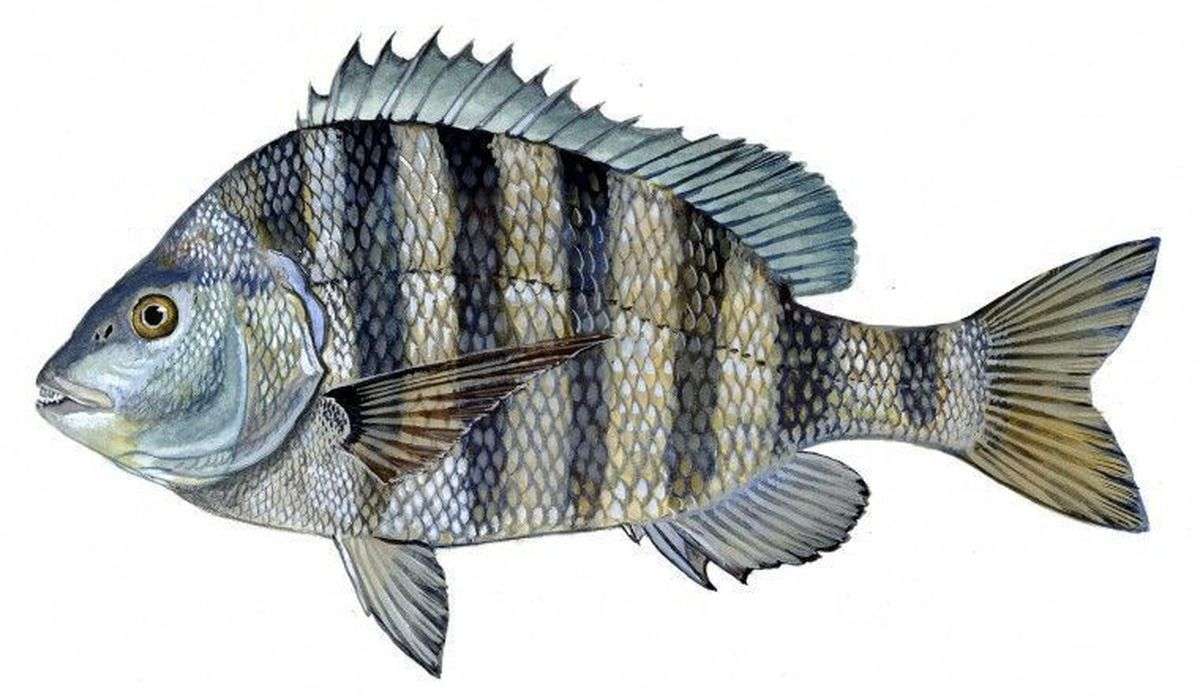
Sheepshead
Sheepshead are the convict fish of the Gulf - those black and white stripes make them unmistakable. They average 1-8 pounds and 14-20 inches, but we see some thick 15+ pounders around the right structure. These guys live around anything with barnacles: docks, bridge pilings, rigs, and reefs. They're notorious bait thieves with human-like teeth that'll crush anything. Spring brings the best action when they school up to spawn. What folks love about them is the challenge - they're picky eaters that'll test your patience, but the payoff is some of the sweetest, flakiest white meat around. Here's the key: get your bait tight to the structure with fresh fiddler crab or shrimp, keep a tight line, and set the hook hard the moment you feel them nibbling. They'll steal your bait all day if you're not quick.
Summer Flounder
Summer Flounder are the masters of disguise - these flatfish change color to match the bottom perfectly. Most run 15-20 inches and make for some of the best eating you'll find. They're ambush predators that bury in sand and mud, waiting to grab whatever swims by. Fall months from September through November are your best bet when they're more active and feeding heavily before winter. What makes them special is that sneaky bite - they'll grab your bait and run with it before you know what happened. The white, flaky meat is restaurant-quality stuff. My go-to trick is using a circle hook with live minnows or sea worms, and work it slow along the bottom. When you feel that subtle weight, don't jerk - just start reeling steadily and let that circle hook do its job.
About the Madelyn Kaye
%2F%2Fusers%2Ff141b030-dc94-47a6-8f4e-d8c2394a68e2%2Fvehicle_picture%2Fimg_4589-mjdtgbug.jpg&w=1200&q=75)
Vehicle Guest Capacity: 4
Manufacturer Name: Yamaha
Maximum Cruising Speed: 45
Number of Engines: 1
Horsepower per Engine: 200